なぜ私たちは田んぼプロジェクトを支援するのか
- ボディデザイン アウラン
- 6月12日
- 読了時間: 20分

なぜ私たちは田んぼプロジェクトを支援するのか
温暖化・水路工事・生きもの・一次産業から考える、田んぼの本当の価値
田んぼは、ただお米を作る場所ではありません。
水をため、地域の景観をつくり、生きものを育て、洪水をやわらげ、一次産業を支える大切な場所です。
私たちは塗装に関わる団体です。農家ではありません。米づくりの専門家でもありません。田んぼを守る農業そのものを担っているわけでもありません。
それでも、私たちは「田んぼ女子プロジェクト」のような活動を支援しています。
なぜなら、田んぼは「食」「水」「生きもの」「地域」「温暖化」「一次産業」をつなぐ、大切な社会インフラだと考えているからです。

田んぼは、食料生産だけの場所ではない
田んぼというと、多くの人は「お米を作る場所」と考えます。
もちろん、それは田んぼの最も大切な役割です。しかし、田んぼの価値はそれだけではありません。
農林水産省は、農業・農村には食料を生産する役割だけでなく、洪水を防ぐ、地下水をつくる、暑さを和らげる、生きものを育む、農村の景観を保全する、文化を継承するなど、さまざまな役割があると説明しています。
つまり田んぼは、農家だけのものではありません。
お米を食べる私たち。水の恵みを受ける私たち。地域の自然や景観に癒やされる私たち。次の世代に日本の風景を残したいと願う私たち。
その暮らしの土台に、田んぼがあります。

田んぼは、小さな湿地でもある
田んぼには、多くの生きものが暮らしています。
カエル、ドジョウ、メダカ、ヤゴ、トンボ、アメンボ、タニシ、サギ、ツバメ。
こうした生きものたちは、田んぼ、水路、畦、ため池、周辺の草地とつながりながら生きています。
水田は人工的につくられた農地ですが、同時に、自然湿地の代わりとなって、多くの生きものを支えてきた場所でもあります。
農研機構系の農業水路に関する資料でも、水田や水路、ため池などは、人によってつくられ管理されてきた二次的自然であり、水辺の生きものの生息場所として機能してきたことが説明されています。
田んぼに水が入る。泥がある。浅い水辺がある。水路と田んぼがつながる。草や隠れ場所がある。
このような環境があることで、多くの小さな命がつながっています。
水路工事には、利点も課題もある
田んぼを守るうえで、水路工事はとても重要です。
用水路をコンクリート化することには、明確な利点があります。
土水路に比べて水が途中で吸われにくくなり、農地まで効率よく水を届けやすくなります。崩れにくくなり、管理もしやすくなります。漏水を減らし、水資源を無駄なく使うという意味でも、農業にとって大切な整備です。
一方で、すべてがコンクリートで固められ、泥や土砂、草、浅瀬、逃げ場がなくなると、生きものにとっては暮らしにくい環境になることがあります。
農林水産省は、農業水路や水田整備において、生きものへの配慮が重要であることを示す「水田生態系の保全に視点をおいた整備技術の解説書」を公開しています。
ここで大切なのは、単純に「コンクリートが悪い」と言うことではありません。
農業には、安定して水を届ける仕組みが必要です。水路の強度も必要です。漏水を防ぐことも必要です。水資源を守ることも必要です。
その一方で、ドジョウやメダカ、カエル、トンボなどが生きられる余白も必要です。
これからの水路工事には、農業の効率と、生きものへの配慮の両方が求められます。

コンクリートを守ることも、環境を守ることにつながる
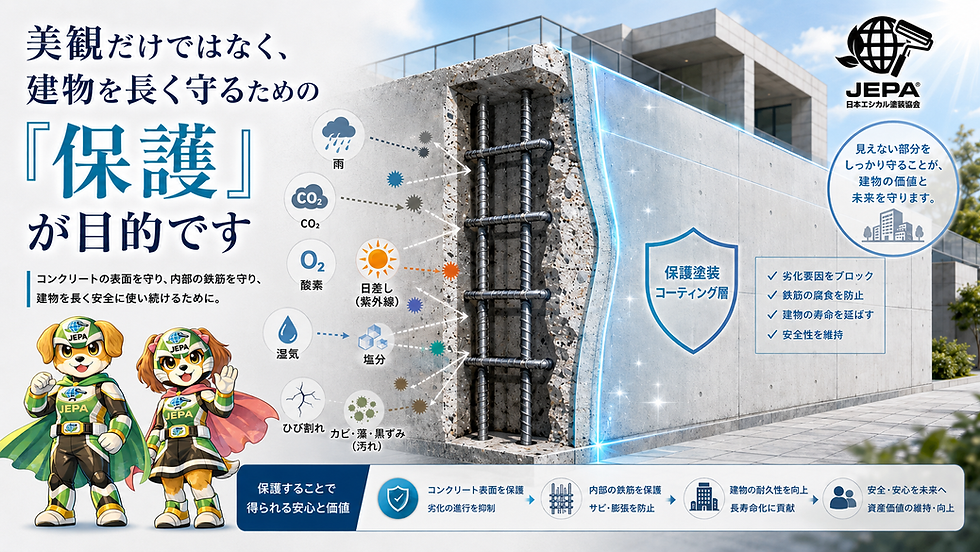
水路やコンクリート構造物を長く使うためには、補修や保護も大切です。
たとえば、コンクリート表面を保護する材料には、溶解型や固化型など、考え方の違うものがあります。塗った後に固まり、水に溶け出しにくいタイプであれば、コンクリートを保護しながら水の流れを維持する考え方もできます。
また、ジョイント部分の劣化や漏水に対して、シール材や補修材を使う方法もあります。
壊して作り直すだけではなく、今あるものを長く使う。傷んだ部分を補修し、機能を守る。必要な場所に、必要な技術を使う。
これは、塗装や補修に関わる私たちの考え方ともつながっています。
建物を長持ちさせること。水路を長持ちさせること。田んぼを未来につなげること。
すべてに共通しているのは、「大切なものを長く守る」という考え方です。
ドジョウが減ると、何が起きるのか
昔は田んぼや水路でよく見られたドジョウ。しかし今では、「めっきり減った」と感じる地域も少なくありません。なぜ私たちは田んぼプロジェクトを支援するのかの理由の1つでもあります。生態系の大切さは地球環境に大きな影響があります。
ドジョウが減る理由は一つではありません。
田んぼの減少。水路のコンクリート化。水の流れの変化。農薬の影響。外来種の影響。耕作放棄。気候変動。
さまざまな要因が重なっていると考えられます。
水田生態系に関する研究でも、圃場整備や営農活動の変化により、生きものの生息域や産卵域の減少、移動の阻害が起こり、水田生態系の生物多様性保全機能が失われつつあることが指摘されています。
ドジョウやメダカ、カエル、トンボが減るということは、その生きものだけの問題ではありません。
小さな水生生物がいる。それを魚やカエルが食べる。魚やカエルを鳥が食べる。鳥が地域を移動し、自然のつながりを保つ。
田んぼは、小さな食物連鎖の場でもあります。
もし田んぼの生きものが減れば、それを食べていた鳥類にも影響が出る可能性があります。虫のバランスも変わります。水辺の自然の循環も変わります。
田んぼにすむ彼らがいるから、地域の自然は成り立っている。そのことを忘れてはいけないと思います。

温暖化と田んぼの関係
温暖化は、田んぼにも影響します。
気温が上がれば、稲の生育や米の品質に影響が出ます。水温が上がれば、水の中の生きものにも影響します。雨の降り方が変われば、水管理も難しくなります。猛暑や豪雨が増えれば、農業の負担も大きくなります。
また、水を張った田んぼでは、土の中が酸素の少ない状態になり、有機物が分解される過程でメタンが発生します。メタンは温室効果ガスの一つです。
農研機構は、水田土壌内のメタン生成菌が、酸素の少ない条件で稲わらなどの有機物をもとにメタンを発生させること、そして中干し期間を通常より延長することでメタン排出量を減らせることを示しています。全国8県の試験結果では、慣行の中干し期間を1週間程度延長することで、メタン発生量が約30%削減されるとされています。
ただし、ここでも田んぼを悪者にしてはいけません。
田んぼは、日本の食を支えてきました。地域の風景をつくってきました。水を管理し、多くの生きものの命を支えてきました。
大切なのは、田んぼを否定することではなく、温暖化時代に合わせて、田んぼをどう守り、どう管理し、どう未来につなげるかです。
耕盤は悪者ではない
田んぼには、耕盤と呼ばれる水を保つための層があります。
これは決して悪いものではありません。
田んぼが水を張り、稲を育てるためには、水を保つ仕組みが必要です。水を保つからこそ稲が育ち、水田としての機能が成り立ちます。
一方で、水を張ることでメタンが発生するという課題もあります。だからこそ、中干しや間断灌漑など、水を入れる時期、抜く時期、保つ時期を工夫することが大切です。
米づくり。温暖化対策。水資源の保全。生きもののすみか。
このバランスをどう取るかが、これからの田んぼの大きなテーマです。
なぜ私たちは田んぼ女子プロジェクトを支援するのか
私たちは、田んぼ女子プロジェクトのような活動を支援しています。
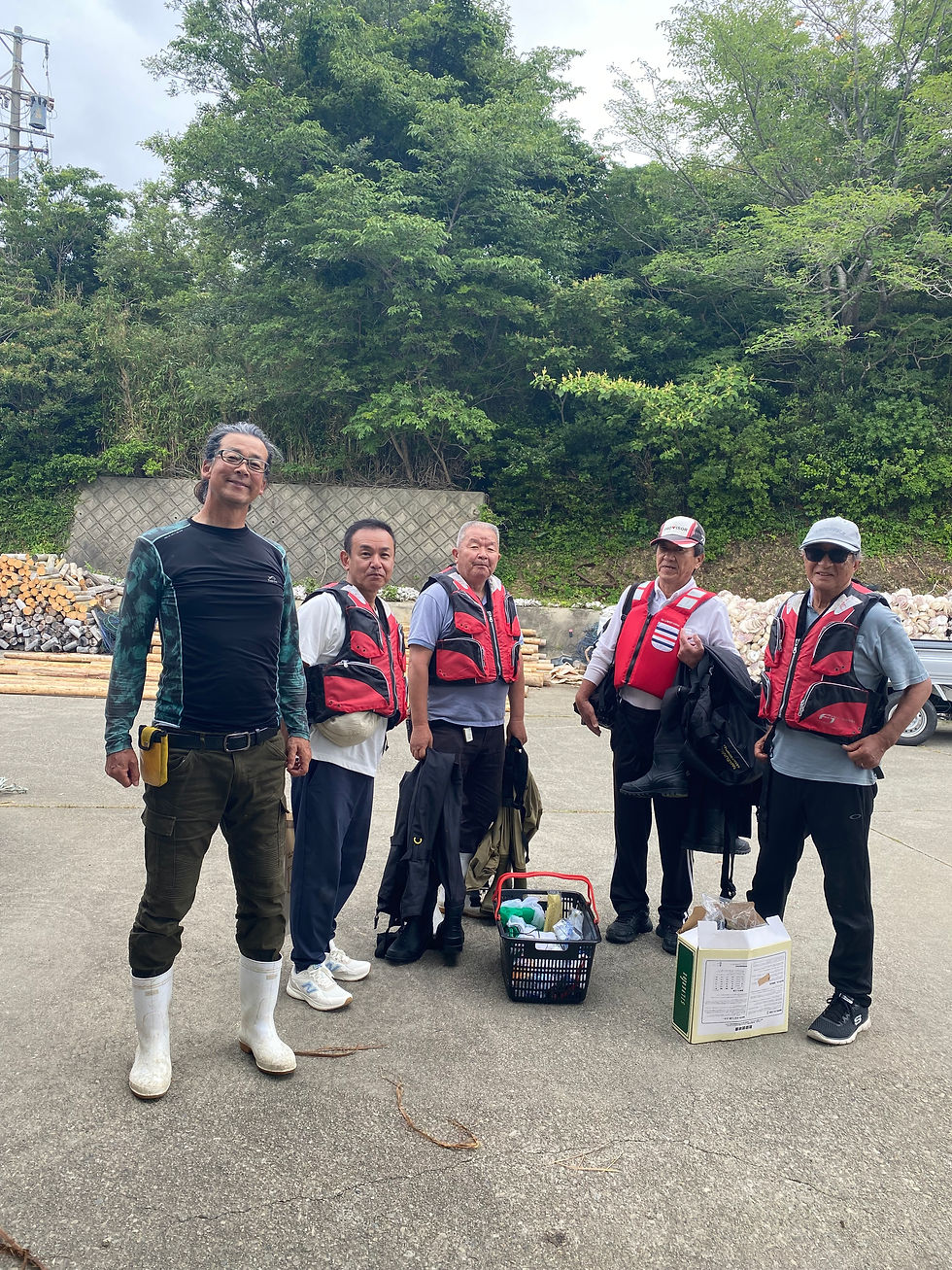
3人の方がはじめられた活動と聞いています。第一次産業、食の安全(無農薬)、自分たちと同じ思いのある活動家が増えることを望んでいるようです。子供たちとの生物観察イベントも開催しています。(2026年7月4日予定)
田んぼプロジェクトを支援する理由
それは、私たちが農業そのものを代わりに担うためではありません。農家の仕事を語るためでもありません。専門外の立場から、田んぼの管理に口を出すためでもありません。
私たちが支援したいのは、田んぼを守ろうとする人たちの想いです。
一次産業を支える人。地域の水を守る人。生きもののすみかを残そうとする人。田んぼの価値を次の世代に伝えようとする人。
そうした人たちの活動が、地域に広がっていくことに意味があると考えています。
ラムサール・ネットワーク日本の「田んぼ2030プロジェクト」でも、田んぼを取り巻く生きものたちは、稲作農業だけでなく地域の社会や文化も支えているとされています。
塗装も同じです。
建物を長く守ることは、資源を大切にすることです。塗り替えの頻度を適正にし、廃棄物やCO2を減らすことは、未来の環境負荷を減らすことにつながります。
田んぼを守ることも、建物を守ることも、根本にある考え方は同じです。
大切なものを長く使う。地域に必要なものを残す。未来の世代に負担を先送りしない。
だから私たちは、田んぼ女子プロジェクトを支援しています。

田んぼを守る活動が、各地に広がってほしい
田んぼ女子プロジェクトのような活動が各地に広がれば、田んぼの見方は変わっていくと思います。
田んぼは、ただの農地ではない。田んぼは、食を守る場所。水を守る場所。生きものを守る場所。地域の風景を守る場所。温暖化時代の環境を考える場所。
そして何より、一次産業の大切さを私たちに教えてくれる場所です。
田んぼに水が入り、カエルが鳴き、トンボが飛び、ドジョウが泥の中で生きる。そんな当たり前の風景を、次の世代にも残していきたい。
そのためには、農家だけでなく、地域の人、企業、団体、消費者が少しずつ関わることが大切です。
私たちは、塗装の立場から、環境と一次産業を応援します。田んぼを守る人たちの活動を発信し、支援の輪を広げていきます。
それが、エシカルな塗装協会として、私たちができる社会貢献の一つだと考えています。
まとめ
田んぼは、米を作る場所であると同時に、水を守り、生きものを育て、地域の環境を支える大切な場所です。
水路工事やコンクリート化には、農業を支えるための大切な役割があります。一方で、生きもののすみかや水辺の環境をどう残すかという視点も必要です。
温暖化、メタン、水管理、ドジョウやメダカの減少、鳥類への影響。田んぼをめぐる問題は、すべてつながっています。
だからこそ、田んぼを守る活動を、農業だけの問題として見てはいけないのだと思います。
一次産業を大切にすることは、未来の暮らしを守ること。田んぼを守る人を応援することは、地域の水と生きものと食を守ること。
私たちはその想いを込めて、田んぼ女子プロジェクトを支援しています。
参考文献・参考リンク
FAQ
Q. なぜ田んぼは生物多様性に重要なのですか?
田んぼは、水田、水路、畦、ため池、周辺の草地がつながることで、カエル、ドジョウ、メダカ、トンボ、鳥類など多くの生きものを支える場所になっているからです。人工的な農地でありながら、小さな湿地のような役割も持っています。
Q. 水路のコンクリート化は悪いことですか?
一概に悪いとは言えません。水を効率よく農地に届ける、崩れにくくする、管理しやすくする、漏水を減らすなどの利点があります。一方で、泥や草、浅瀬、隠れ場所が減ると、生きものの生息環境に影響する可能性があります。
Q. 田んぼと温暖化にはどんな関係がありますか?
温暖化は稲の生育、水温、水管理、生きものに影響します。また、水を張った田んぼではメタンが発生するため、米づくりと温室効果ガス削減を両立する水管理が重要になります。
Q. 塗装協会が田んぼ女子プロジェクトを支援する理由は何ですか?
塗装協会が直接農業を行うわけではありません。しかし、建物を長く守ることと、田んぼや水路を未来につなげることは、どちらも資源を大切にし、環境負荷を減らし、地域の暮らしを守る活動につながるからです。
田んぼは米を作る場所であるだけでなく、水を守り、生きものを育て、地域環境や温暖化対策とも関わる大切な場所です。農林水産省や農研機構の資料をもとに、水路工事、生物多様性、メタン削減、一次産業の重要性、田んぼプロジェクトを支援する理由を解説します。
#田んぼ女子プロジェクト #田んぼを守る #生物多様性 #水田生態系 #農業水路 #水路工事 #ドジョウ #メダカ #カエル #トンボ #温暖化対策 #メタン削減 #一次産業を守る #農林水産省 #農研機構 #多面的機能 #エシカル #日本エシカル塗装協会 #環境貢献 #地域の自然を守る #水資源を守る #未来につなぐ農業
Why We Support the Tanbo Joshi Project
Understanding the True Value of Rice Fields Through Climate Change, Irrigation Channels, Living Creatures, and Primary Industry
Rice fields are not merely places where rice is grown.
They store water, shape local landscapes, nurture living creatures, help reduce flood risks, and support primary industry.
We are an organization involved in painting and coating.
We are not farmers.We are not rice cultivation specialists.We are not the ones directly responsible for managing rice fields as part of agriculture.
Even so, we support activities such as the “Tanbo Joshi Project.”
The reason is that we see rice fields as an important form of social infrastructure that connects food, water, living creatures, local communities, climate change, and primary industry.

Rice Fields Are Not Only Places for Food Production
When people think of rice fields, many imagine places where rice is grown.
Of course, that is their most important role.However, the value of rice fields does not end there.
Japan’s Ministry of Agriculture, Forestry and Fisheries explains that agriculture and rural areas play many roles beyond food production, including flood prevention, groundwater recharge, heat mitigation, nurturing living creatures, conserving rural landscapes, and passing down culture.
In other words, rice fields do not belong only to farmers.
Those of us who eat rice.Those of us who benefit from water resources.Those of us who are comforted by local nature and landscapes.Those of us who wish to preserve Japan’s scenery for the next generation.
Rice fields form part of the foundation of our daily lives.
Rice Fields Are Also Small Wetlands
Many living creatures inhabit rice fields.
Frogs, loaches, medaka rice fish, dragonfly larvae, dragonflies, water striders, freshwater snails, herons, and swallows.
These creatures live while being connected to rice fields, irrigation channels, levees, ponds, and the surrounding grasslands.
Rice fields are artificial agricultural lands.At the same time, they have also served as substitutes for natural wetlands, supporting many forms of life.
Materials related to agricultural waterways by the National Agriculture and Food Research Organization also explain that rice fields, irrigation channels, and ponds are forms of secondary nature created and managed by people, and that they have functioned as habitats for aquatic organisms.
Reference: NARO: “Toward Agricultural Waterways Where Fish and Other Aquatic Organisms Can Live More Easily”
Water enters the rice fields.Mud remains.Shallow waters exist.Rice fields and waterways are connected.Grass and hiding places remain.
These conditions allow many small lives to remain connected.
Irrigation Channel Construction Has Both Benefits and Challenges
Irrigation channel construction is very important for protecting rice fields.
Converting earth channels into concrete channels has clear advantages.
Compared with earth channels, concrete channels make it easier to deliver water efficiently to farmland without losing water along the way.They are less likely to collapse and are easier to manage.They can also reduce leakage and help use water resources more efficiently, which is important for agriculture.
On the other hand, if everything is hardened with concrete and mud, sediment, grass, shallow waters, and escape spaces disappear, the environment can become difficult for living creatures.
The Ministry of Agriculture, Forestry and Fisheries has published a guide explaining maintenance and construction techniques that take rice field ecosystems into consideration, showing the importance of caring for living creatures in agricultural waterways and rice field development.
What matters here is not to simply say that concrete is bad.
Agriculture needs systems that deliver water reliably.Waterways need strength.Leakage must be prevented.Water resources must be protected.
At the same time, there must also be room for loaches, medaka, frogs, dragonflies, and other living creatures to survive.
Future irrigation channel construction must balance agricultural efficiency with consideration for living creatures.
Protecting Concrete Can Also Help Protect the Environment
Repairing and protecting waterways and concrete structures is also important in order to use them for a long time.
For example, materials used to protect concrete surfaces can be based on different concepts, such as dissolving-type materials or framework-forming materials.If a material hardens after application and is unlikely to dissolve into water, it may be possible to protect the concrete while maintaining the flow of water.
There are also methods using sealants and repair materials to address joint deterioration and water leakage.
Instead of simply demolishing and rebuilding, we can use what already exists for longer.We can repair damaged areas and preserve their function.We can apply the right technology in the right place.
This idea is connected to the way we think as people involved in painting, coating, and repair.
Making buildings last longer.Making waterways last longer.Connecting rice fields to the future.
What they all have in common is the idea of protecting important things for as long as possible.
What Happens When Loaches Decline?
In the past, loaches were commonly seen in rice fields and waterways.Today, however, many regions feel that loaches have become far less common.
There is no single reason why loaches are declining.
The decrease in rice fields.The concrete lining of waterways.Changes in water flow.The effects of agricultural chemicals.The impact of invasive species.Abandoned farmland.Climate change.
Various factors are believed to overlap.
Research on rice field ecosystems has also pointed out that land consolidation and changes in farming practices have caused the loss of habitats and spawning areas, as well as barriers to movement, resulting in the decline of the biodiversity conservation function of rice field ecosystems.
The decline of loaches, medaka, frogs, and dragonflies is not only a problem for those individual species.
Small aquatic organisms exist.Fish and frogs eat them.Birds eat fish and frogs.Birds move across the region and help maintain the connections within nature.
Rice fields are also places of small food chains.
If the living creatures in rice fields decline, the birds that feed on them may also be affected.The balance of insects may change.The natural cycle around waterside environments may also change.
Local nature exists because the creatures living in rice fields are there.We must not forget this.
The Relationship Between Climate Change and Rice Fields
Climate change also affects rice fields.
If temperatures rise, rice growth and grain quality are affected.If water temperatures rise, aquatic creatures are affected.If rainfall patterns change, water management becomes more difficult.If extreme heat and heavy rain increase, the burden on agriculture also becomes greater.
In addition, methane is produced in flooded rice fields when organic matter decomposes in soil under low-oxygen conditions.Methane is one of the greenhouse gases.
The National Agriculture and Food Research Organization explains that methane-producing microorganisms in rice paddy soil generate methane from organic matter such as rice straw under low-oxygen conditions. It also shows that extending the midseason drainage period can reduce methane emissions. According to test results from eight prefectures in Japan, extending the conventional midseason drainage period by about one week can reduce methane emissions by approximately 30%.
However, here again, we must not treat rice fields as the problem.
Rice fields have supported Japan’s food supply.They have shaped local landscapes.They have managed water and supported the lives of many creatures.
What matters is not to deny the value of rice fields, but to think about how to protect, manage, and pass them on to the future in the age of climate change.
The Plow Pan Is Not a Bad Thing
Rice fields have a layer called the plow pan, which helps retain water.
This is not a bad thing.
In order for rice fields to hold water and grow rice, they need a structure that retains water.Because water is retained, rice can grow and the rice field can function as a paddy field.
At the same time, there is the challenge that methane can be generated when water is retained.That is why it is important to manage when water is introduced, when it is drained, and when it is retained, through methods such as midseason drainage and intermittent irrigation.
Rice production.Climate change mitigation.Conservation of water resources.Habitats for living creatures.
How to balance these elements is one of the major themes for rice fields in the future.
Why We Support the Tanbo Joshi Project
We support activities such as the Tanbo Joshi Project.
This is not because we intend to take over the role of agriculture.It is not because we want to speak on behalf of farmers.It is not because we want to interfere in rice field management from outside our area of expertise.
What we want to support is the passion of people who are trying to protect rice fields.
People who support primary industry.People who protect local water.People who try to preserve habitats for living creatures.People who pass on the value of rice fields to the next generation.
We believe there is great meaning in seeing such activities spread throughout local communities.
The Ramsar Network Japan’s “Rice Field Biodiversity and Cultural Diversity 2030 Project” also states that the living creatures surrounding rice fields support not only rice farming, but also local society and culture.
The same is true of painting and coating.
Protecting buildings for a long time means valuing resources.Optimizing repainting cycles and reducing waste and CO2 emissions can help reduce environmental burdens in the future.
Protecting rice fields and protecting buildings are rooted in the same idea.
Use important things for as long as possible.Preserve what local communities need.Do not pass unnecessary burdens on to future generations.
That is why we support the Tanbo Joshi Project.
We Hope Rice Field Conservation Activities Will Spread Across Japan
If activities like the Tanbo Joshi Project spread throughout different regions, the way people view rice fields will change.
Rice fields are not just farmland.Rice fields are places that protect food.They are places that protect water.They are places that protect living creatures.They are places that protect local landscapes.They are places where we can think about the environment in the age of climate change.
Above all, they are places that teach us the importance of primary industry.
Water flows into the rice fields.Frogs sing.Dragonflies fly.Loaches live in the mud.
We want to pass on such ordinary yet precious scenery to the next generation.
To do so, not only farmers, but also local residents, companies, organizations, and consumers need to become involved little by little.
From the standpoint of painting and coating, we will support the environment and primary industry.We will share the activities of those who protect rice fields and help expand the circle of support.
We believe this is one of the ways we can contribute to society as an ethical painting association.
Conclusion
Rice fields are places where rice is produced.At the same time, they protect water, nurture living creatures, and support the local environment.
Irrigation channel construction and concrete lining play important roles in supporting agriculture.At the same time, we must also think about how to preserve habitats and waterside environments for living creatures.
Climate change, methane, water management, the decline of loaches and medaka, and impacts on birds.
All of these issues surrounding rice fields are connected.
That is why we believe that protecting rice fields should not be seen only as an agricultural issue.
Valuing primary industry means protecting the future of our daily lives.Supporting the people who protect rice fields means protecting local water, living creatures, and food.
With this belief, we support the Tanbo Joshi Project.
References and Related Links
NARO: “Toward Agricultural Waterways Where Fish and Other Aquatic Organisms Can Live More Easily”
J-STAGE: “Current Status and Issues of Ecosystem-Friendly Agriculture in Rice Fields”
J-STAGE: “Biodiversity and Conservation of Fish Living in Rice Field Ecosystems”
Ramsar Network Japan: “Rice Field Biodiversity and Cultural Diversity 2030 Project”
FAQ
Q. Why are rice fields important for biodiversity?
Rice fields support many living creatures, including frogs, loaches, medaka rice fish, dragonflies, and birds, by connecting paddy fields, irrigation channels, levees, ponds, and surrounding grasslands. Although they are artificial agricultural lands, they also function like small wetlands.
Q. Is concrete lining of irrigation channels bad?
Not necessarily. Concrete channels can help deliver water efficiently to farmland, prevent collapse, simplify maintenance, and reduce leakage. However, when mud, grass, shallow waters, and hiding places disappear, the habitats of living creatures may be affected.
Q. How are rice fields related to climate change?
Climate change affects rice growth, water temperature, water management, and living creatures. In addition, flooded rice fields can generate methane, a greenhouse gas. This makes it important to balance rice cultivation with water management that reduces greenhouse gas emissions.
Q. Why does a painting association support the Tanbo Joshi Project?
The association does not directly engage in agriculture. However, protecting buildings for a long time and passing rice fields and waterways on to the future both share the same values: valuing resources, reducing environmental burdens, and protecting local communities.
#TanboJoshiProject #ProtectRiceFields #Biodiversity #RiceFieldEcosystem #AgriculturalWaterways #IrrigationChannels #Loach #Medaka #Frogs #Dragonflies #ClimateAction #MethaneReduction #SupportPrimaryIndustry #MAFFJapan #NARO #MultifunctionalAgriculture #EthicalAction #JapanEthicalPaintworkAssociation #EnvironmentalContribution #ProtectLocalNature #ProtectWaterResources #SustainableAgricultureForTheFuture

コメント