
鳥羽・桃取町の海で、アマモの種「播種」

海のゆりかごを未来へつなぐ、
エシカル塗装の新しい環境活動
鳥羽・桃取町の海で、アマモの種「播種」
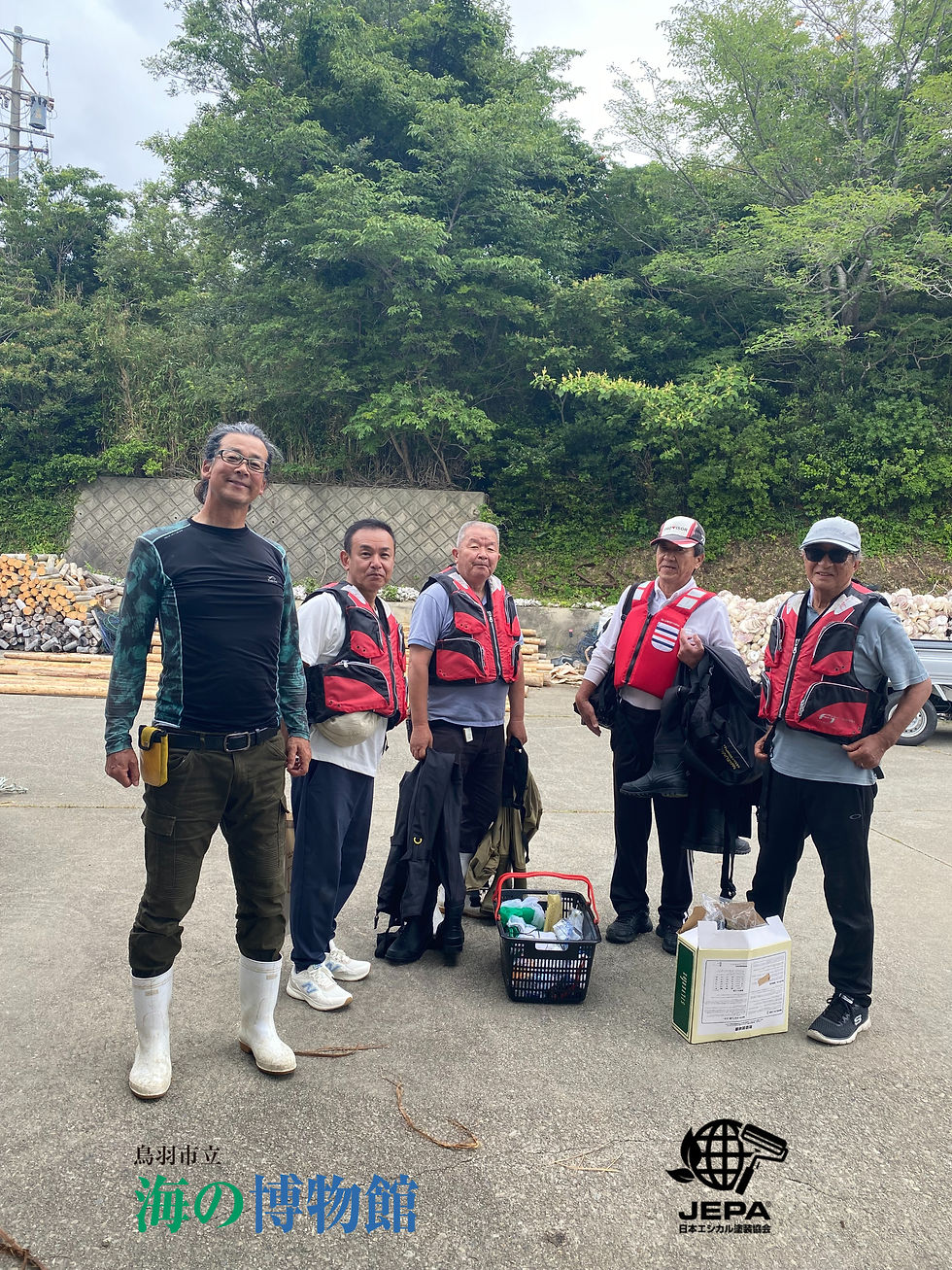
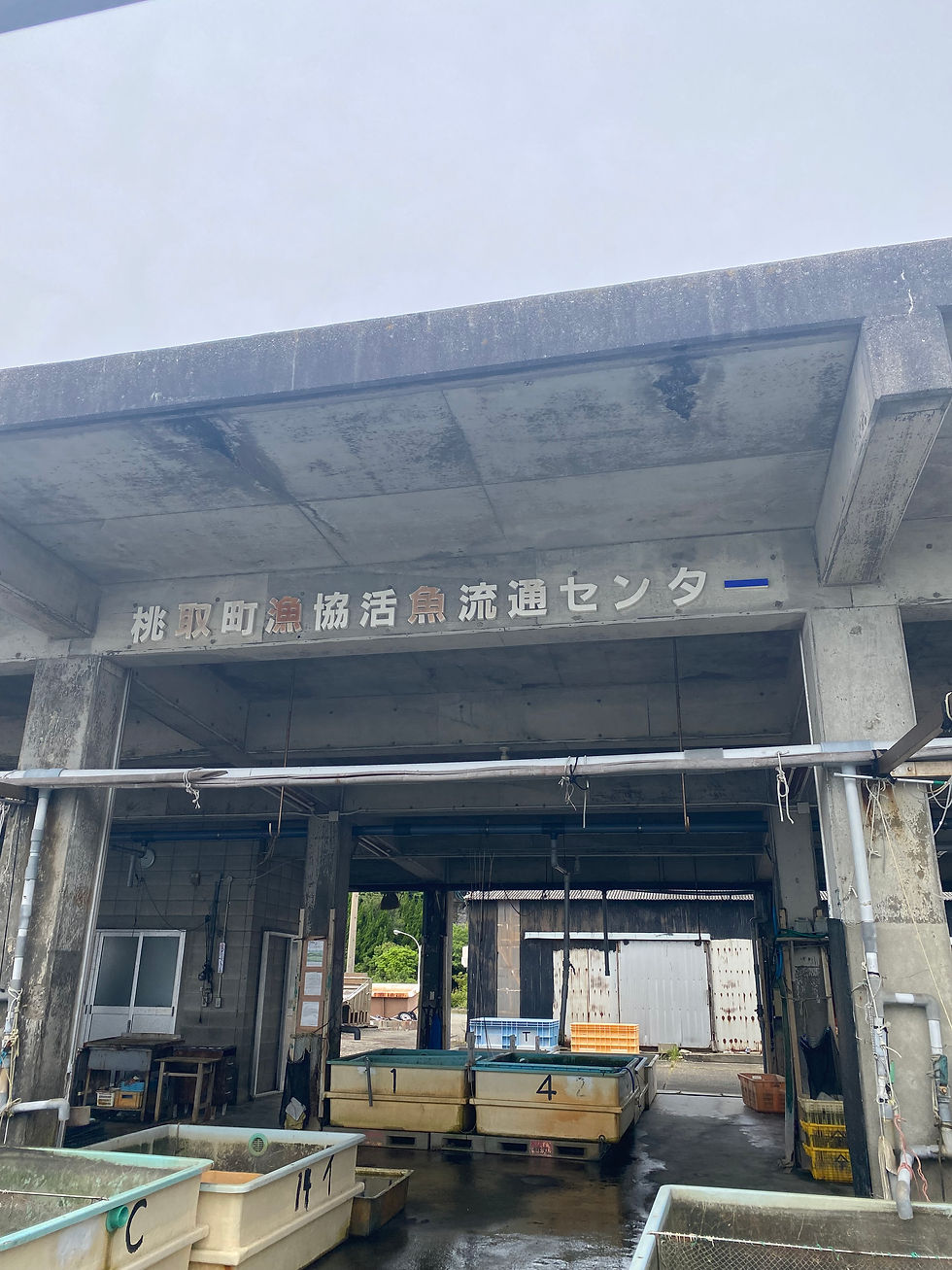
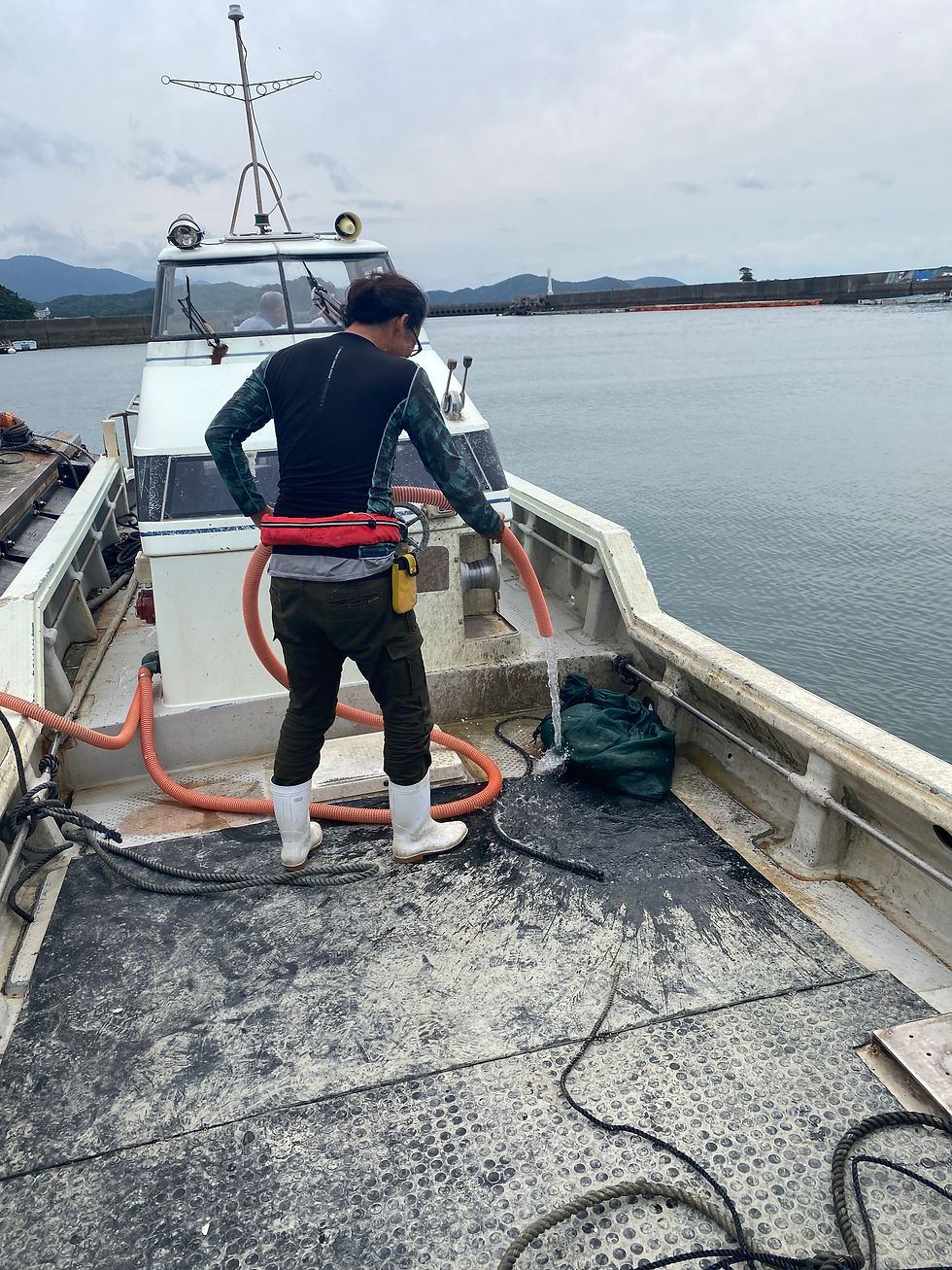
2026年6月16日、三重県鳥羽市桃取町の海で、アマモの種「播種」に 参加しました。
今回の活動は、鳥羽市立 海の博物館の館長・平賀大蔵さん、桃取町の漁港に関わる皆さま、そして海を守る活動に関わる方々とともに行ったものです。
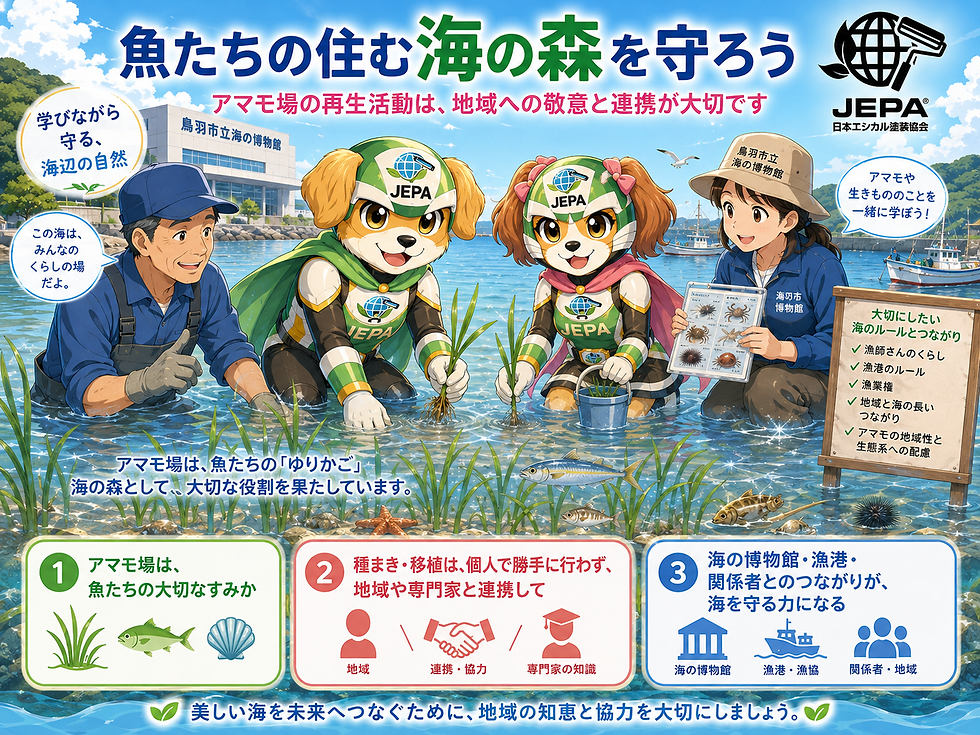
鳥羽市立 海の博物館では、アマモ場を「魚たちの住む海の森」として紹介し、アマモの苗の移植や種まき、アマモ場の生きもの観察などを通じて、海辺の自然環境を学ぶ活動を行っています。参考:鳥羽市立 海の博物館「藻場を増やそう!魚たちの住む海の森作り」https://www.umihaku.com/event/detail.php?no=15&return_url=http%3A%2F%2Fwww.umihaku.com%2F%2Fevent%2Farchive.php

まず最初にお伝えしたいのは、アマモの種まきや移植は、個人が勝手に行ってよいものではないということです。
海には漁業者の方々の暮らしがあり、漁港のルールがあり、漁業権があり、その地域に長く続いてきた海との関わりがあります。また、アマモにも地域ごとの特徴があり、別の場所から持ってきた種や株を安易にまくことは、生態系に影響を与える可能性もあります。
環境省の「藻場の復元に関する配慮事項」でも、移植や播種を行う場合には、周辺の個体群に遺伝的な攪乱を起こさないよう、同一海域や近隣の草体・種子を用いることの重要性が示されています。参考:環境省「藻場の復元に関する配慮事項」https://assess.env.go.jp/files/0_db/seika/0093_01/7.pdf
だからこそ、今回の活動は、海の博物館、地域の漁港の方々、専門的な知見を持つ方々とのつながりがあって初めて実現したものです。
私たちはその一端に参加させていただき、海を守る活動には、自然への思いだけでなく、地域への敬意と、関係者との連携が必要なのだと改めて感じました。
【写真挿入:桃取町の漁港、海の風景、集合写真】
アマモとは何か
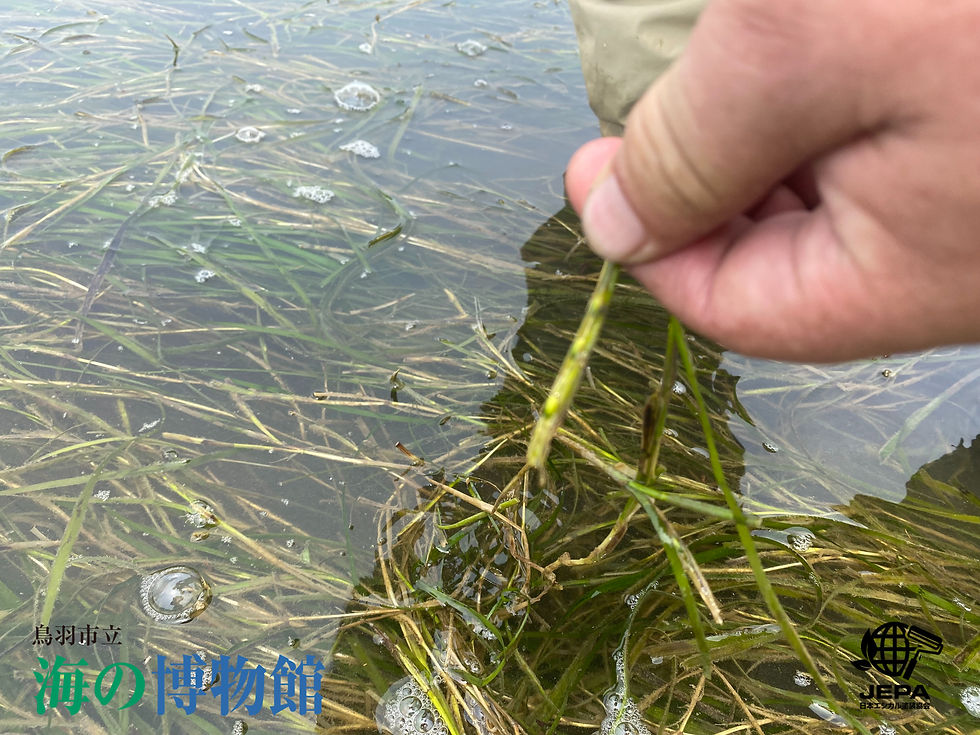
アマモは、海の中に生える「海草」です。
よくワカメやコンブのような「海藻」と混同されますが、アマモは海藻ではありません。陸上の植物と同じように、根を張り、葉を伸ばし、花を咲かせ、種をつくる植物です。
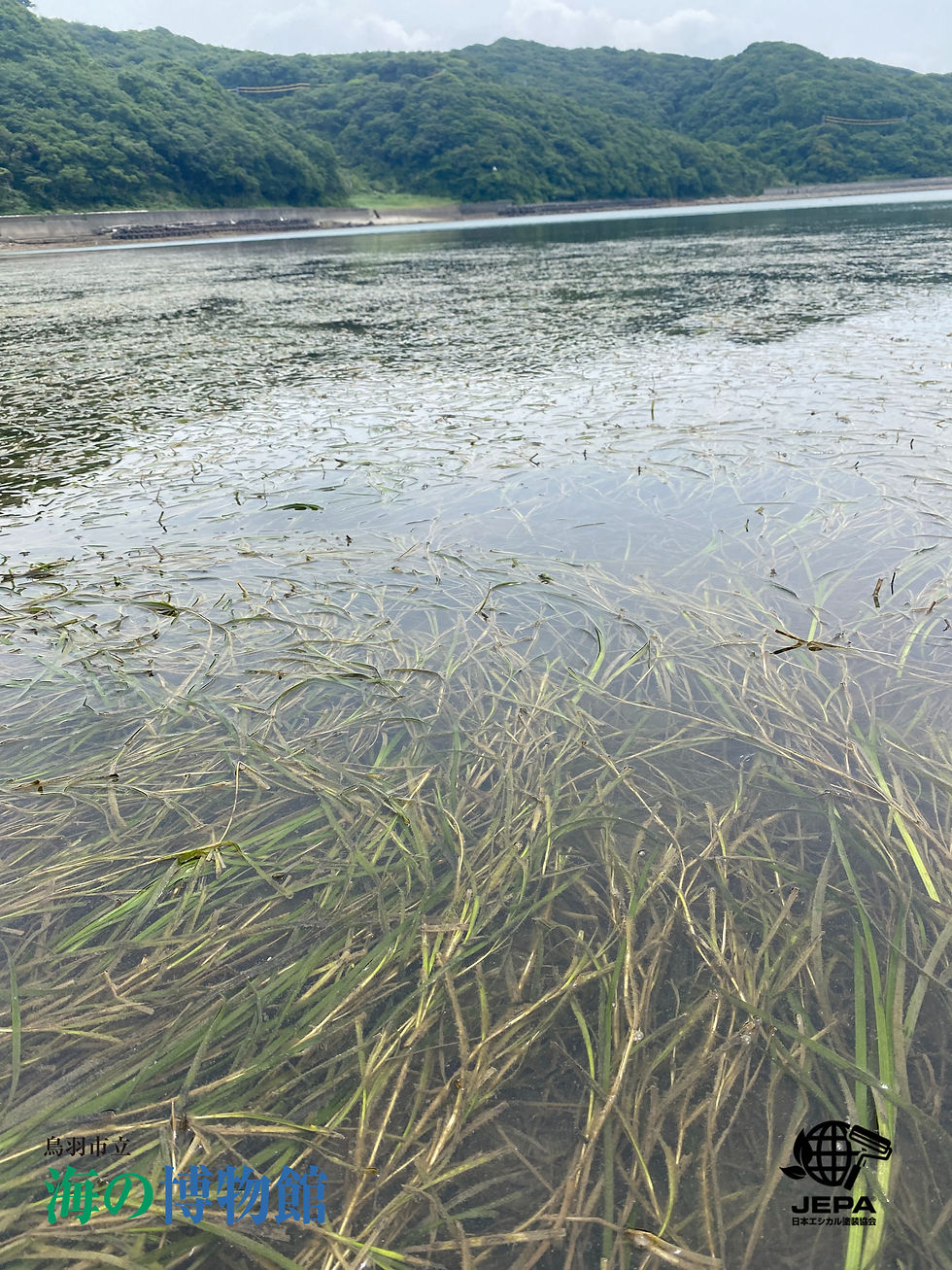
国土交通省のブルーカーボンに関する解説でも、アマモは「海草藻場」の代表的な海草として紹介されており、静穏な砂浜や干潟沖合の潮下帯に分布すると説明されています。参考:国土交通省「ブルーカーボン」https://www.mlit.go.jp/kowan/kowan_tk6_000069.html
アマモは、内湾や入り江など、波が比較的おだやかで、海底まで光が届く浅い砂泥地に群落をつくります。このアマモがまとまって生えている場所を「アマモ場」と呼びます。
環境省の瀬戸内海情報サイト「せとうちネット」でも、アマモ場は主に内湾や入り江の波の静かな平坦な砂泥底に形成されると説明されています。参考:環境省 せとうちネット「藻場とは」https://www.env.go.jp/water/heisa/heisa_net/setouchiNet/seto/g1/g1chapter3/mobahigata/mobatowa/index.html
アマモ場は、海の中の森のような存在です。
海底に根を張り、葉を広げ、小さな生きものたちのすみかになります。アマモがあることで、海の中に命の集まる場所が生まれます。鳥羽・桃取町の海で、アマモの種「播種」
アマモがある海は、どんな海なのか
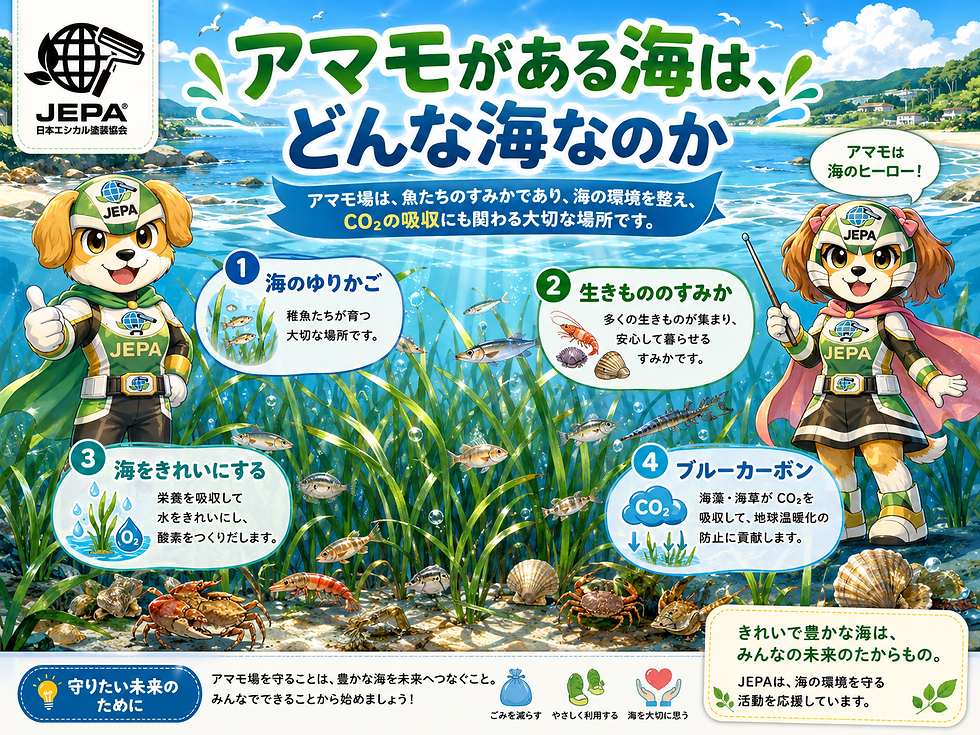
アマモがある海は、生きものにとって豊かな環境です。
アマモの葉の間には、小さな魚、エビ、カニ、貝、ヨウジウオなど、さまざまな生きものが集まります。特に小さな魚にとっては、外敵から身を守りながら成長できる大切な場所になります。
そのため、アマモ場は「海のゆりかご」とも呼ばれています。
環境省の「せとうちネット」でも、藻場は魚の赤ちゃんを保育する「海のゆりかご」としての役割を果たしていると説明されています。参考:環境省 せとうちネット「藻場とは」https://www.env.go.jp/water/heisa/heisa_net/setouchiNet/seto/g1/g1chapter3/mobahigata/mobatowa/index.html
また、水産庁は、藻場について、水産生物の産卵場所や幼稚仔魚の生息場所となるだけでなく、栄養塩類や炭酸ガスを吸収し、酸素を供給するなど、海水の浄化にも関わる場所として整理しています。参考:水産庁「藻場の働きと現状」https://www.jfa.maff.go.jp/j/kikaku/tamenteki/kaisetu/moba/moba_genjou/
さらに近年では、アマモ場を含む海草藻場は「ブルーカーボン」の場としても注目されています。
ブルーカーボンとは、海草、海藻、干潟、マングローブなど、沿岸・海洋生態系が光合成によって二酸化炭素を取り込み、海底や深海に蓄積する炭素のことです。環境省も、藻場、塩性湿地・干潟、マングローブ林をブルーカーボンの主要な吸収源として紹介しています。参考:環境省「ブルーカーボンとは」https://www.env.go.jp/earth/ondanka/blue-carbon-jp/about.html
アマモ場は、魚たちのすみかであり、海の環境を整える場所であり、二酸化炭素の吸収にも関わる重要な場所なのです。
タツノオトシゴがすむ海。子どもたちにも伝えたいアマモ場の魅力
アマモ場の魅力を伝えるうえで、ぜひ紹介したい生きものがいます。
それが、タツノオトシゴです。
今回、海の博物館の方から、アマモ場にはタツノオトシゴのような珍しい生きものも生息することがあると伺いました。
鳥羽市の広報でも、アマモ場の移植作業後に、タツノオトシゴやヨウジウオなど、さまざまな海の生きものを観察したことが紹介されています。参考:鳥羽市「広報とば 平成23年7月1日号」https://www.city.toba.mie.jp/soshiki/koho_joho/gyomu/koho/koho_toba/h23/3037.html
タツノオトシゴは、英語では Seahorse と呼ばれます。馬のようにも見え、竜のようにも見える、とても不思議な姿をした生きものです。
子どもたちにとっても、タツノオトシゴは印象に残りやすい存在です。小さくて、かわいらしくて、どこか神秘的。まるで海の中にすむ小さなドラゴンのようにも感じられます。
アマモがあることで、生きものが集まる。生きものが集まることで、子どもたちが海に興味を持つ。海に興味を持つことで、海を守りたいという気持ちが育つ。
三重県の教育旅行向けプログラムでも、アマモ場ではスズキやメバルの稚魚、ヒメイカ、ヨウジウオ、イカの卵などを観察できると紹介されています。参考:三重県観光連盟 教育旅行「アマモ場の生きもの観察」https://educational-travel.kankomie.or.jp/program/program-1444/
アマモ場は、単なる植物の群落ではありません。生きもののすみかであり、学びの場であり、子どもたちが自然と出会う入口でもあります。

太平洋側と日本海側で、アマモの生息はどう違うのか
日本の沿岸には、各地にアマモ場があります。
ただし、太平洋側と日本海側で、単純に「どちらが多い」「どちらが少ない」と言い切れるものではありません。
アマモの生息は、海の地形、水深、波の強さ、海底の砂や泥の状態、透明度、湾の形、川から流れ込む水や栄養分などによって変わります。
環境省の藻場分布調査では、アマモ場は国内の多くの海域で確認されており、北海道太平洋沿岸、東北太平洋沿岸の内湾や汽水湖、本州北部日本海沿岸などに比較的大きなまとまりがあることが示されています。参考:環境省 生物多様性センター「第7回自然環境保全基礎調査 藻場調査」https://www.biodic.go.jp/moba/1_4.html
また、港湾空港技術研究所の「アマモ場の再生方法についての検討と今後の課題」では、日本海側と太平洋側の個体群の遺伝的距離が大きく離れているため、これらをまたぐ移植には注意が必要とされています。参考:港湾空港技術研究所「アマモ場の再生方法についての検討と今後の課題」https://www.pari.go.jp/PDF/TECHNICALNOTE1332.pdf
これはとても重要な視点です。
アマモ場を増やす活動は、「どこかで採れたアマモを持ってきて植えればよい」というものではありません。地域ごとの海に適したアマモがあり、安易に別の海域から種や株を持ち込むと、その地域の遺伝的なつながりを乱してしまう可能性があります。
だからこそ、アマモの種まきや移植は、地域の専門家、漁業者、関係機関と相談しながら進める必要があります。
今回、私たちが桃取町の漁港の方々や海の博物館と一緒に活動したことには、大きな意味があります。海の活動は、個人の思いつきで勝手に行うものではなく、地域の理解と協力、専門的な知見、そして長く海を見てきた人たちの経験があって初めて成り立つものだからです。
また、平賀館長からは、三重県内では松阪の海にも多くのアマモが生息していると伺いました。
鳥羽だけでなく、松阪をはじめとした三重の沿岸には、まだまだ豊かな海の環境が残されています。それぞれの地域に合った形で、アマモ場を知り、守り、必要に応じて再生していくことが大切です。

岩手の植樹と、鳥羽の海。2つの活動が教えてくれたこと
私たちは、2026年6月14日に岩手県で植樹活動を行いました。
そしてその2日後、6月16日に三重県鳥羽市桃取町で、アマモの種「播種」に参加しました。
岩手では植樹、鳥羽では海にアマモを植える。一見すると、まったく別の活動のように見えるかもしれません。
しかし、現地に立ってみると、山(陸)と海は決して別々ではないことを実感します。
鳥羽の桃取町周辺では、海のすぐ近くに山がありました。岩手で見てきた山の環境とは大きく違い、鳥羽の山は比較的小さく、島や入り江に囲まれているような地形に見えました。
また、植生にも違いを感じました。
鳥羽の海に近い山では、針葉樹が少なく、広葉樹が多く見られ、植物の種類も豊かに感じられました。場所によっては竹林もあり、山と海が近い地域ならではの、多様でバランスのよい自然環境があるように見えました。
もちろん、これは私たちが現地で見た範囲での印象です。専門的な植生調査ではありません。
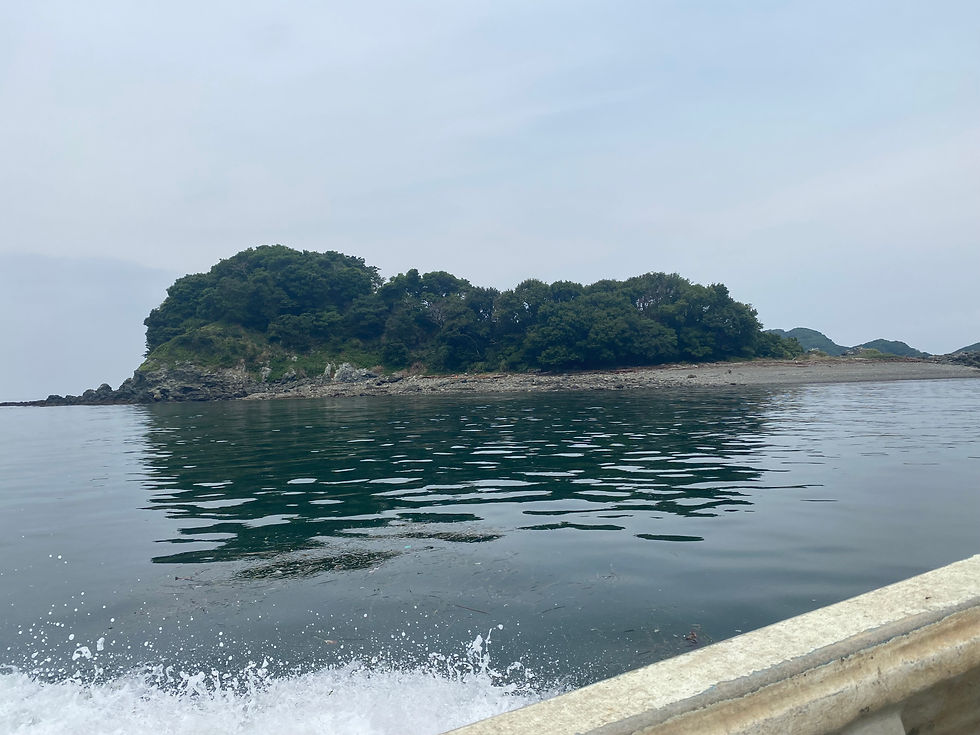
それでも、海のすぐ近くに多様な植物があること、山からの流れ込みが海へ入っていること、淡水と海水が混ざるような場所があることは、アマモ場を考えるうえでとても大切な視点だと感じました。

水産庁・林野庁・国土交通省による「森・川・海のつながりを重視した豊かな漁場海域環境創出方策検討調査」でも、森林域、河川域、河口域、海域をつながったものとして捉え、健全な生態系の維持・構築を考える必要性が示されています。参考:水産庁・林野庁・国土交通省「森・川・海のつながりを重視した豊かな漁場海域環境創出方策検討調査」https://www.jfa.maff.go.jp/j/gyoko_gyozyo/pdf/sub70a.pdf
アマモ場は、海の中だけで完結しているわけではありません。
山に降った雨が土を通り、川や小さな流れとなって海へ届く。その水の流れが、海の栄養や濁り、底質、そして生きものの環境にも関わっていく。
岩手の植樹と、鳥羽のアマモの種まき。この2つの活動は、私たちに「森・川・海はつながっている」ということを改めて教えてくれました。

【写真挿入:鳥羽の山、流れ込み、竹林、広葉樹、岩手植樹写真】
桃取町の海で見た、アマモが育つ場所と育ちにくい場所
今回、桃取町の海では、アマモが育っている場所と、そうではない場所の違いも見ることができました。
現地には、過去に漂流物などを燃焼させ、灰にしていた名残のような場所もあると伺いました。地層のように見える場所もあり、そこにはこの地域の暮らしや海との関わりの歴史が残っているようにも感じました。

それでも、その周辺でアマモは育っていました。
自然はとても繊細でありながら、同時にたくましさも持っています。ただし、それは「何をしても自然は戻る」という意味ではありません。
現場では、海の中にごみや物が落ちている場所では、そこからアマモが生えていない様子も確認しました。
アマモは海底に根を張って育つ植物です。そのため、海底にごみや人工物があると、種が根づきにくくなったり、光が届きにくくなったり、葉が傷ついたりする可能性があります。
長崎大学は、放置された海底ごみがアマモ場に深刻な影響を与え、継続的な除去によってアマモ場の面積や被度の回復が確認されたことを発表しています。参考:長崎大学「海底ごみの継続的な除去でアマモ場が回復」https://www.nagasaki-u.ac.jp/ja/science/science431.html
実際に今回の現場でも、物がある場所と、アマモが生えている場所の違いを写真で確認することができました。

これは、アマモ場を守るうえでとても重要な気づきでした。
アマモを増やすことだけが大切なのではありません。アマモが育つ海底環境を守ること。ごみを減らすこと。海に余計なものを残さないこと。そうした日常的な行動も、アマモ場を守る活動につながっているのだと思います。
また、アマモの種を採取しているとき、魚が多く存在していることにも気づきました。
アマモ場は「海のゆりかご」と呼ばれます。その言葉は知識としては知っていましたが、実際に現場でアマモの中に魚たちがいる様子を見ると、その意味がとてもよくわかります。
アマモがあることで、生きものが集まる。生きものが集まることで、海の生態系が豊かになる。
今回の活動では、そのことを現場で実感しました。

なぜ、アマモの活動を行うのか
私たちは、塗装や建築に関わる立場です。
一見すると、塗装とアマモは関係がないように見えるかもしれません。
しかし、私たちはそうは考えていません。
塗装は、建物を長く守る仕事です。建物を長く守ることは、塗り替え回数を減らし、資材の使用量、廃棄物、二酸化炭素排出量を抑えることにもつながります。
一方、アマモ場を守ることは、海の生きものを守り、海の環境を整え、二酸化炭素を吸収する海の力を支えることにつながります。
水産庁も、藻場は豊かな生態系を育み、漁業資源の増殖に大きな役割を果たすだけでなく、ブルーカーボンとして二酸化炭素の吸収源としての機能にも期待されていると説明しています。参考:水産庁「藻場の保全・創造、磯焼け対策」https://www.jfa.maff.go.jp/j/gyoko_gyozyo/g_zyoho_bako/mobahozen_sozo_isoyaketaisaku.html
どちらも共通しているのは、「大切なものを長く守る」という考え方です。
住まいを守る。地域を守る。海を守る。未来の子どもたちに、豊かな環境を残す。
アマモの活動に関わる理由は、そこにあります。
環境活動は、ひとつの業界だけで完結するものではありません。
漁港の方々、海の博物館、地域の人たち、子どもたち、企業、団体。さまざまな立場の人がつながることで、未来に残せる環境が少しずつ育っていきます。
今回の活動は、海を守る活動であると同時に、人と地域がつながる活動でもありました。

お客様と施工店の皆さまへの感謝
そして、こうした活動ができるのは、私たちだけの力ではありません。
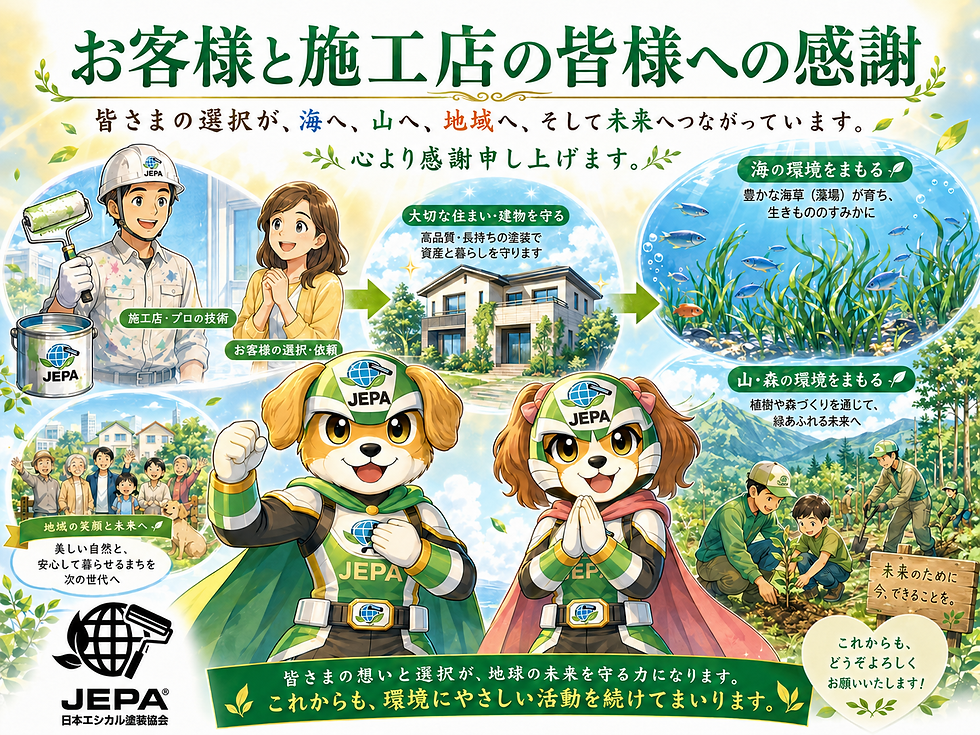
私たちの塗料を選んでくださる施工店の皆さま。その施工店に、大切な住まいや建物の塗装を任せてくださるお客様。
その一つひとつの選択が、私たちの活動を支えてくれています。
塗料を購入していただくこと。塗装工事を依頼していただくこと。建物を長く守る塗装を選んでいただくこと。
そのお金の一部が、今回のようなアマモ場の活動や、山の植樹活動、地域の自然を守る取り組みにつながっています。
私たちは、そのことをとても大切に受け止めています。
環境活動は、特別な誰かだけが行うものではありません。塗料を選ぶ人、施工する人、施工を依頼する人、そしてその建物で暮らす人。そのすべての人の選択が、少しずつ未来の環境につながっていきます。
だからこそ、今回の鳥羽・桃取町でのアマモの種まきも、岩手での植樹活動も、私たちだけの活動ではありません。
塗料を買ってくださる方。施工をしてくださる方。施工を依頼してくださるお客様。私たちの取り組みに関わってくださるすべての方々。
皆さまのおかげで、私たちはこうした活動を続けることができています。
心より感謝申し上げます。
これからも、その感謝を環境活動という形に変えて、海へ、山へ、地域へ、そして未来へ還元していきたいと考えています。
削減と吸収の二刀流。エシカル塗装が目指す未来
私たちが目指しているのは、塗装業界の中だけで完結する環境活動ではありません。
エシカル塗装では、建物を長く守ることを大切にしています。
耐久性の高い塗装によって建物の寿命を延ばし、塗り替え回数を減らす。それは、塗料の使用量、資材の消費、廃棄物、そして二酸化炭素排出量を減らすことにもつながります。
私たちはこれを、塗り替えのあり方を見直す「塗装サイクルプロジェクト」として考えています。
従来よりも長く建物を守ることができれば、何度も塗り替える必要が少なくなります。塗り替え回数が減れば、その分だけ製造、運搬、施工、廃棄に関わる環境負荷も抑えることができます。
これは、LCA、つまりライフサイクルアセスメントの考え方にもつながります。
製品をつくるところから、運び、使い、施工し、廃棄するところまで。その全体を見ながら、どこで環境負荷を減らせるのかを考える。エシカル塗装は、その視点を塗装の現場に取り入れていく取り組みです。
しかし、私たちは「減らす」だけでは十分ではないとも考えています。
削減することに加えて、吸収を支えること。これからの環境活動には、その両方が必要だと感じています。
山に木を植えること。海にアマモの種をまくこと。藻場を守り、生きものが育つ場所を増やすこと。森や海が二酸化炭素を吸収し、生物多様性を支える環境をつくること。
環境省も、ブルーカーボン生態系について、CO₂吸収源としての価値だけでなく、生物多様性や水質浄化、教育・レクリエーションなど、多面的な価値を持つものとして紹介しています。参考:環境省「ブルーカーボンとは」https://www.env.go.jp/earth/ondanka/blue-carbon-jp/about.html
これらは、塗装とは直接関係がないように見えるかもしれません。
けれど、私たちにとっては、すべてがつながっています。
建物を長く守ることで、環境負荷を減らす。山や海の活動を通じて、自然が二酸化炭素を吸収し、生きものを育む場所を守る。
つまり、私たちが進めていきたいのは、「削減」と「吸収」の二刀流です。
塗装で減らす。山と海で吸収を支える。地域とつながりながら、生物多様性を守る。
2026年6月14日の岩手での植樹活動。そして、2026年6月16日の鳥羽市桃取町でのアマモの種まき。
この2つの活動は、私たちにとって象徴的な出来事でした。
山を守ること。海を守ること。建物を長く守ること。
それらは別々の活動ではなく、未来の環境を守るためのひとつながりの取り組みです。
エシカル塗装は、単に塗料を選ぶことではありません。
どれだけ建物を長く守れるか。どれだけ無駄な塗り替えを減らせるか。どれだけ地域の自然とつながれるか。どれだけ未来の子どもたちに、豊かな環境を残せるか。
そして、その活動を支えてくださっているのは、塗料を選んでくださる施工店の皆さま、施工を依頼してくださるお客様、そして私たちの取り組みに関わってくださるすべての方々です。
皆さまからいただいた信頼とお金の一部を、海を守る活動、山を育てる活動、地域の自然を未来へつなぐ活動へと還元していく。
それが、私たちエシカルと創共会、そして日本エシカル塗装協会が目指す環境貢献の形です。
塗装で減らし、山と海で吸収を支える。
削減と吸収の二刀流で、未来の環境を守る。これからも、建物を長く守る塗装と、海・山・地域を守る活動を両輪に、感謝を未来へつなげていきます。
おまけ
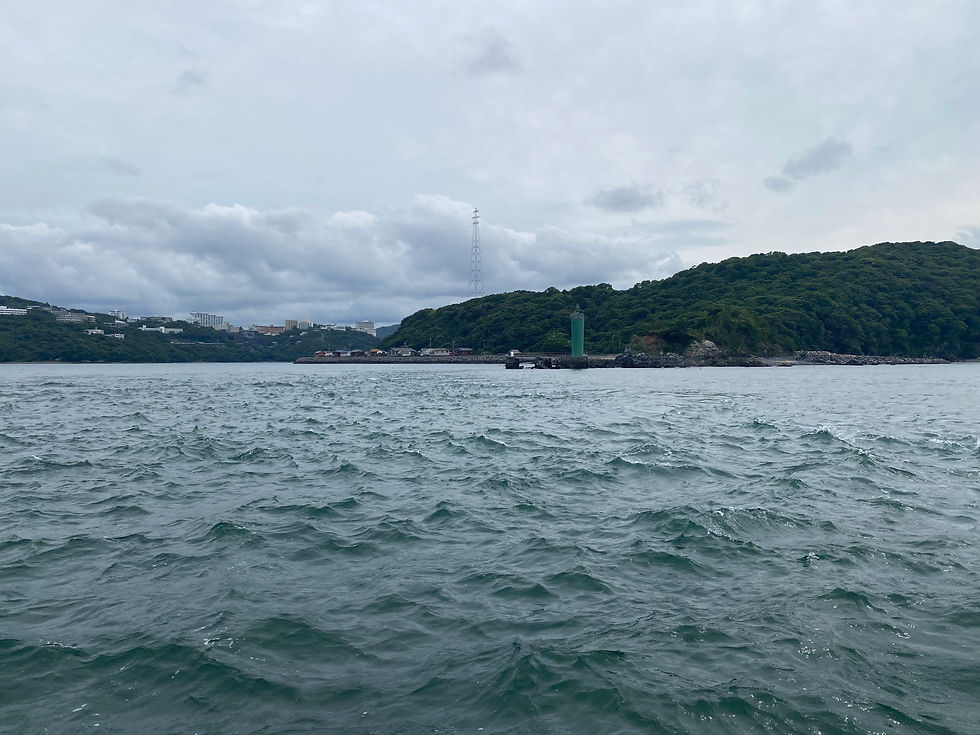
帰りには渦潮の現象に出くわしたり、カキの養殖場にいってカキの水揚げを見れました!

参考文献・参考資料
鳥羽市立 海の博物館「藻場を増やそう!魚たちの住む海の森作り」https://www.umihaku.com/event/detail.php?no=15&return_url=http%3A%2F%2Fwww.umihaku.com%2F%2Fevent%2Farchive.php
環境省 せとうちネット「藻場とは」https://www.env.go.jp/water/heisa/heisa_net/setouchiNet/seto/g1/g1chapter3/mobahigata/mobatowa/index.html
水産庁「藻場の働きと現状」https://www.jfa.maff.go.jp/j/kikaku/tamenteki/kaisetu/moba/moba_genjou/
水産庁「藻場の保全・創造、磯焼け対策」https://www.jfa.maff.go.jp/j/gyoko_gyozyo/g_zyoho_bako/mobahozen_sozo_isoyaketaisaku.html
環境省「ブルーカーボンとは」https://www.env.go.jp/earth/ondanka/blue-carbon-jp/about.html
国土交通省「ブルーカーボン」https://www.mlit.go.jp/kowan/kowan_tk6_000069.html
環境省 生物多様性センター「第7回自然環境保全基礎調査 藻場調査」https://www.biodic.go.jp/moba/1_4.html
港湾空港技術研究所「アマモ場の再生方法についての検討と今後の課題」https://www.pari.go.jp/PDF/TECHNICALNOTE1332.pdf
環境省「藻場の復元に関する配慮事項」https://assess.env.go.jp/files/0_db/seika/0093_01/7.pdf
水産庁・林野庁・国土交通省「森・川・海のつながりを重視した豊かな漁場海域環境創出方策検討調査」https://www.jfa.maff.go.jp/j/gyoko_gyozyo/pdf/sub70a.pdf
鳥羽市「広報とば 平成23年7月1日号」https://www.city.toba.mie.jp/soshiki/koho_joho/gyomu/koho/koho_toba/h23/3037.html
三重県観光連盟 教育旅行「アマモ場の生きもの観察」https://educational-travel.kankomie.or.jp/program/program-1444/
長崎大学「海底ごみの継続的な除去でアマモ場が回復」https://www.nagasaki-u.ac.jp/ja/science/science431.html
#アマモ #アマモ場 #鳥羽市 #桃取町 #三重県 #伊勢志摩 #海の博物館 #鳥羽市立海の博物館 #松阪の海 #ブルーカーボン #生物多様性 #海のゆりかご #タツノオトシゴ #藻場再生 #海底ごみ #森川海 #森里海 #岩手植樹 #植樹活動 #塗装サイクルプロジェクト #LCA #エシカル塗装 #削減と吸収の二刀流 #漁港との連携 #地域連携 #海を守る #山を守る #未来の海を守る #エシカル #創共会 #日本エシカル塗装協会
Sowing Eelgrass Seeds in the Sea of Momotori, Toba
A New Environmental Initiative by Ethical Painting to Connect the “Nursery of the Sea” to the Future
On June 16, 2026, we participated in an eelgrass seed-sowing activity in the sea of Momotori, Toba City, Mie Prefecture.
This activity was carried out together with Mr. Daizo Hiraga, Director of the Toba Sea-Folk Museum, members of the local fishing community in Momotori, and others involved in protecting the marine environment.
The Toba Sea-Folk Museum introduces eelgrass beds as “underwater forests where fish live.” Through activities such as transplanting eelgrass seedlings, sowing seeds, and observing marine life in eelgrass beds, the museum provides opportunities to learn about the natural environment of coastal waters.Reference: Toba Sea-Folk Museum, “Creating Underwater Forests Where Fish Live”https://www.umihaku.com/event/detail.php?no=15&return_url=http%3A%2F%2Fwww.umihaku.com%2F%2Fevent%2Farchive.php
The first thing we would like to emphasize is that sowing or transplanting eelgrass is not something individuals should do on their own.
The sea is connected to the livelihoods of fishermen, local fishing port rules, fishing rights, and the long history of how each community has lived with the sea. Eelgrass also has regional characteristics. Carelessly bringing seeds or plants from another area and planting them elsewhere may affect the local ecosystem.
The Ministry of the Environment’s guidance on seagrass bed restoration also states that when transplanting or sowing seagrass, it is important to use plants or seeds from the same or nearby sea area in order to avoid genetic disturbance of surrounding populations.Reference: Ministry of the Environment, “Considerations for Seagrass Bed Restoration”https://assess.env.go.jp/files/0_db/seika/0093_01/7.pdf
That is why this activity was made possible only through the cooperation of the Toba Sea-Folk Museum, local fishing port members, and people with specialist knowledge.
By being allowed to take part in this activity, we once again felt that protecting the sea requires not only a passion for nature, but also respect for the local community and cooperation with the people involved.
[Photo: Momotori fishing port, coastal scenery, group photo]
What Is Eelgrass?
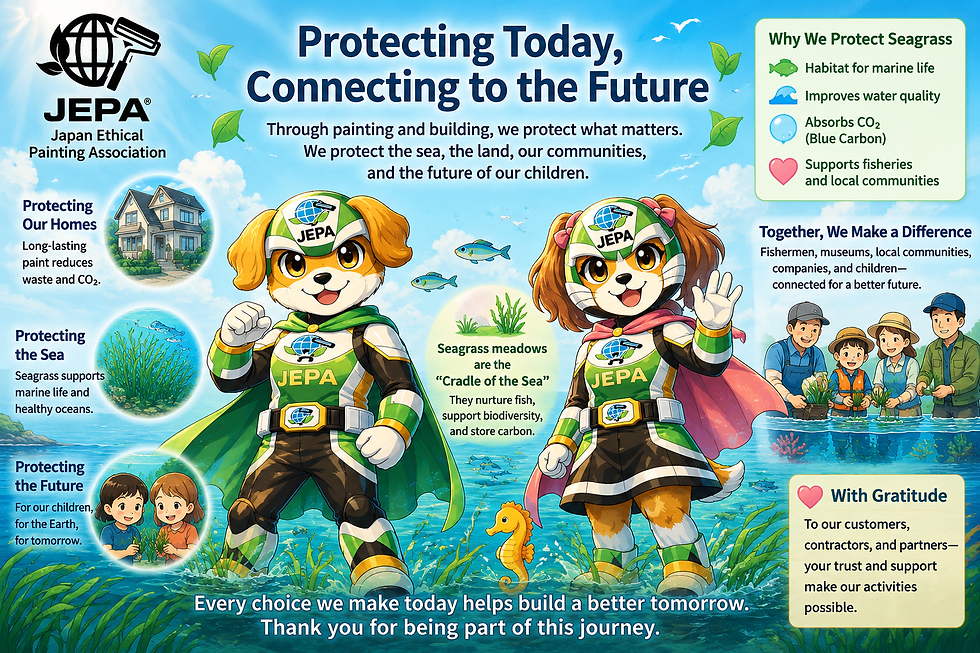
Eelgrass is a type of seagrass that grows in the sea.
It is often confused with seaweed such as wakame or kelp, but eelgrass is not seaweed. Like land plants, it has roots, leaves, flowers, and seeds.
In its explanation of blue carbon, Japan’s Ministry of Land, Infrastructure, Transport and Tourism introduces eelgrass as a representative seagrass found in seagrass beds, and explains that it grows in calm sandy beaches and subtidal areas off tidal flats.Reference: Ministry of Land, Infrastructure, Transport and Tourism, “Blue Carbon”https://www.mlit.go.jp/kowan/kowan_tk6_000069.html
Eelgrass forms communities in shallow sandy or muddy areas where waves are relatively calm and sunlight can reach the seabed, such as inner bays and inlets. A place where eelgrass grows in groups is called an eelgrass bed.
Eelgrass beds are like forests under the sea.
Eelgrass takes root in the seabed, spreads its leaves, and provides habitat for small marine creatures. Where eelgrass grows, a place where life gathers is created in the sea.
[Photo: Eelgrass seeds, eelgrass leaves, seed-sowing activity]
What Kind of Sea Has Eelgrass?
A sea with eelgrass is a rich environment for living creatures.
Among the leaves of eelgrass, small fish, shrimp, crabs, shellfish, pipefish, and many other organisms gather. For young fish in particular, eelgrass beds provide an important place to hide from predators and grow.
For this reason, eelgrass beds are often called the “nursery of the sea.”
The Ministry of the Environment’s Setouchi Net also explains that seaweed and seagrass beds function as a “nursery of the sea,” supporting young fish.Reference: Ministry of the Environment, Setouchi Net, “What Are Seaweed and Seagrass Beds?”https://www.env.go.jp/water/heisa/heisa_net/setouchiNet/seto/g1/g1chapter3/mobahigata/mobatowa/index.html
The Fisheries Agency also explains that seaweed and seagrass beds serve as spawning grounds and habitats for juvenile fish and other aquatic organisms. They also help purify seawater by absorbing nutrients and carbon dioxide and producing oxygen.Reference: Fisheries Agency, “Functions and Current Status of Seaweed and Seagrass Beds”https://www.jfa.maff.go.jp/j/kikaku/tamenteki/kaisetu/moba/moba_genjou/
In recent years, eelgrass beds and other seagrass beds have also attracted attention as “blue carbon” ecosystems.
Blue carbon refers to carbon absorbed and stored by coastal and marine ecosystems such as seagrass beds, seaweed beds, tidal flats, salt marshes, and mangrove forests. The Ministry of the Environment introduces seaweed and seagrass beds, salt marshes, tidal flats, and mangrove forests as major blue carbon sinks.Reference: Ministry of the Environment, “What Is Blue Carbon?”https://www.env.go.jp/earth/ondanka/blue-carbon-jp/about.html
Eelgrass beds are therefore important places that provide habitat for fish, help maintain the marine environment, and contribute to carbon absorption.
A Sea Where Seahorses Live: The Appeal of Eelgrass Beds for Children
One creature we would especially like to introduce when talking about the appeal of eelgrass beds is the seahorse.
During this activity, we heard from the Toba Sea-Folk Museum that rare creatures such as seahorses may also live in eelgrass beds.
The Toba City public relations magazine has also introduced observations of various marine creatures, including seahorses and pipefish, after eelgrass transplantation activities.Reference: Toba City, Public Relations Toba, July 1, 2011 Issuehttps://www.city.toba.mie.jp/soshiki/koho_joho/gyomu/koho/koho_toba/h23/3037.html
Seahorses have a very mysterious appearance. They look a little like horses, and also a little like dragons.
For children, seahorses are especially memorable. They are small, charming, and somewhat magical. They can feel like tiny dragons living in the sea.
When eelgrass grows, living creatures gather.When living creatures gather, children become interested in the sea.When children become interested in the sea, the desire to protect the sea begins to grow.
A marine observation program in Mie Prefecture also introduces eelgrass beds as places where visitors may observe juvenile sea bass and rockfish, pygmy squid, pipefish, squid eggs, and other marine life.Reference: Mie Prefecture Tourism Federation, Educational Travel, “Marine Life Observation in Eelgrass Beds”https://educational-travel.kankomie.or.jp/program/program-1444/
Eelgrass beds are not merely plant communities. They are habitats for living creatures, places of learning, and gateways through which children can encounter nature.
[Photo: Marine life observation, fish, seahorse reference photo]
How Do Eelgrass Habitats Differ Between the Pacific Side and the Sea of Japan Side?
Eelgrass beds can be found along many coastal areas of Japan.
However, it is not accurate to simply say that there are more eelgrass beds on the Pacific side or more on the Sea of Japan side.
The distribution of eelgrass depends on many local conditions, including coastal topography, water depth, wave strength, the condition of sand and mud on the seabed, water clarity, the shape of bays, and the flow of freshwater and nutrients from rivers.
According to the Ministry of the Environment’s survey of seaweed and seagrass bed distribution, eelgrass beds have been confirmed in many sea areas across Japan. Relatively large concentrations are found in areas such as the Pacific coast of Hokkaido, inner bays and brackish lakes along the Pacific coast of Tohoku, and the northern Sea of Japan coast of Honshu.Reference: Ministry of the Environment, Biodiversity Center of Japan, “The 7th National Survey on the Natural Environment: Seaweed and Seagrass Bed Survey”https://www.biodic.go.jp/moba/1_4.html
A study by the Port and Airport Research Institute also points out that the genetic distance between eelgrass populations on the Sea of Japan side and those on the Pacific side is large, and that caution is required when transplanting eelgrass across these sea areas.Reference: Port and Airport Research Institute, “Review of Eelgrass Bed Restoration Methods and Future Issues”https://www.pari.go.jp/PDF/TECHNICALNOTE1332.pdf
This is a very important point.
Restoring eelgrass beds is not as simple as bringing eelgrass from somewhere else and planting it. Each sea area has eelgrass adapted to its own local environment. Careless introduction of seeds or plants from another region may disturb the genetic continuity of local populations.
That is why eelgrass seed-sowing and transplantation must be carried out in consultation with local experts, fishermen, and relevant organizations.
The fact that we were able to work together with the people of Momotori fishing port and the Toba Sea-Folk Museum is highly meaningful. Marine conservation activities cannot be carried out based on individual ideas alone. They are made possible through local understanding, cooperation, specialist knowledge, and the experience of people who have long observed and lived with the sea.
We also heard from Director Hiraga that there are many eelgrass beds in the sea around Matsusaka, also in Mie Prefecture.
Not only Toba, but also Matsusaka and other coastal areas of Mie still have rich marine environments. It is important to learn about, protect, and, when necessary, restore eelgrass beds in ways suited to each local area.
The Mountains of Iwate and the Sea of Toba: What Two Activities Taught Us
On June 14, 2026, we took part in a tree-planting activity in Iwate Prefecture.
Two days later, on June 16, we participated in the eelgrass seed-sowing activity in Momotori, Toba City, Mie Prefecture.
In Iwate, we planted trees in the mountains.In Toba, we sowed eelgrass seeds in the sea.
At first glance, these may seem like completely separate activities.
However, standing in both places, we felt that mountains and the sea are never truly separate.
Around Momotori in Toba, mountains stood very close to the sea. The landscape was very different from the mountain environment we had seen in Iwate. The mountains around Toba appeared relatively small, surrounded by islands and inlets.
We also noticed differences in vegetation.
In the mountains near the sea in Toba, there seemed to be fewer coniferous trees and more broadleaf trees, with a rich variety of plant species. In some areas, we also saw bamboo groves. The area appeared to have a diverse and well-balanced natural environment shaped by the closeness of mountains and sea.
Of course, this is only our impression from what we observed on site. It is not a professional vegetation survey.
Even so, the presence of diverse vegetation close to the sea, freshwater flowing down from the mountains into the sea, and places where freshwater and seawater appear to mix all felt like important perspectives when thinking about eelgrass beds.
A report by the Fisheries Agency, Forestry Agency, and Ministry of Land, Infrastructure, Transport and Tourism also emphasizes the importance of viewing forest areas, river areas, estuaries, and coastal waters as connected environments when considering the maintenance and creation of healthy ecosystems.Reference: Fisheries Agency, Forestry Agency, and Ministry of Land, Infrastructure, Transport and Tourism, “Study on Creating Rich Fishing-Ground and Coastal Environments with an Emphasis on the Connections Between Forests, Rivers, and the Sea”https://www.jfa.maff.go.jp/j/gyoko_gyozyo/pdf/sub70a.pdf
Eelgrass beds do not exist only within the sea.
Rain falls on the mountains, passes through the soil, becomes streams and rivers, and eventually reaches the sea.That flow of water affects nutrients, turbidity, seabed conditions, and the environment for living creatures.
The tree planting in Iwate and the eelgrass seed-sowing in Toba taught us once again that forests, rivers, and the sea are connected.
[Photo: Mountains in Toba, freshwater inflow, bamboo grove, broadleaf trees, Iwate tree-planting activity]
What We Saw in Momotori: Places Where Eelgrass Grows and Places Where It Does Not
In the sea of Momotori, we were able to observe differences between places where eelgrass was growing and places where it was not.
We were told that there were areas where, in the past, drifted materials had been burned and turned into ash. We also saw places that looked like layers of soil or strata, which seemed to reflect the history of the community and its relationship with the sea.
Even around such places, eelgrass was still growing.
Nature is delicate, but it also has strength. However, that does not mean nature will recover no matter what we do.
At the site, we also observed that eelgrass was not growing from places where trash or objects were lying on the seabed.
Eelgrass is a plant that takes root in the seabed. If trash or artificial objects are present on the seabed, seeds may have difficulty taking root, sunlight may be blocked, or eelgrass leaves may be damaged.
Nagasaki University has reported that abandoned marine debris can have serious impacts on eelgrass beds, and that continuous removal of such debris can help restore eelgrass bed area and coverage.Reference: Nagasaki University, “Continuous Removal of Marine Debris Helps Restore Eelgrass Beds”https://www.nagasaki-u.ac.jp/ja/science/science431.html
At the site, we were also able to photograph the difference between places where objects were present and places where eelgrass was growing.
This was an important lesson for us.
It is not enough simply to increase eelgrass.We must also protect the seabed environment where eelgrass can grow.We must reduce trash.We must avoid leaving unnecessary objects in the sea.These everyday actions are also connected to protecting eelgrass beds.
We also noticed many fish living among the eelgrass while collecting eelgrass seeds.
We knew the phrase “nursery of the sea,” but seeing fish actually living among the eelgrass made the meaning of those words much clearer.
Where eelgrass grows, living creatures gather.Where living creatures gather, the marine ecosystem becomes richer.
This activity allowed us to experience that firsthand.
[Photo: Marine debris, areas without eelgrass, fish living in eelgrass beds]
Why Ethical and Sokyokai Are Involved in Eelgrass Activities
We work in the field of painting and building maintenance.
At first glance, painting and eelgrass may seem unrelated.
But we do not see them that way.
Painting is a job that protects buildings for a long time.Protecting buildings for longer helps reduce the number of repainting cycles, which can also reduce material use, waste, and carbon dioxide emissions.
Protecting eelgrass beds, on the other hand, helps protect marine life, maintain the marine environment, and support the sea’s ability to absorb carbon dioxide.
The Fisheries Agency also explains that seaweed and seagrass beds play an important role in nurturing rich ecosystems and increasing fishery resources, and that their function as blue carbon sinks is increasingly expected.Reference: Fisheries Agency, “Conservation and Creation of Seaweed and Seagrass Beds / Countermeasures Against Rocky-Shore Denudation”https://www.jfa.maff.go.jp/j/gyoko_gyozyo/g_zyoho_bako/mobahozen_sozo_isoyaketaisaku.html
What both have in common is the idea of protecting what is important for the long term.
Protecting homes.Protecting communities.Protecting the sea.Leaving a rich environment for future children.
This is why Ethical and Sokyokai are involved in eelgrass activities.
Environmental action cannot be completed by one industry alone.
Fishermen, the Sea-Folk Museum, local residents, children, companies, and organizations all have a role to play. When people from different positions connect, the environment we can leave for the future grows little by little.
This activity was not only about protecting the sea. It was also about connecting people and communities.
Gratitude to Our Customers and Partner Contractors
These activities are not made possible by our efforts alone.
They are supported by the contractors who choose our paints, and by the customers who entrust those contractors with painting their precious homes and buildings.
Each of those choices supports our environmental activities.
Purchasing our paint.Requesting painting work.Choosing painting that protects buildings for longer.
A portion of that money is connected to activities like this eelgrass project, tree-planting activities in the mountains, and initiatives to protect local nature.
We take this very seriously and with deep gratitude.
Environmental action is not something carried out only by a few special people.People who choose paint, people who apply it, people who request the work, and people who live in the buildings all contribute through their choices to the future environment.
That is why the eelgrass seed-sowing activity in Momotori, Toba, and the tree-planting activity in Iwate are not our activities alone.
To those who purchase our paints.To those who carry out the painting work.To the customers who request that work.To everyone who supports and participates in our initiatives.
Thanks to all of you, we are able to continue these activities.
We sincerely thank you.
We will continue turning that gratitude into environmental action, returning it to the sea, the mountains, local communities, and the future.
A Dual Approach: Reduction and Absorption — The Future Ethical Painting Aims For
Our goal is not an environmental activity that stays only within the painting industry.
In Ethical Painting, we place great importance on protecting buildings for a long time.
By using durable painting systems to extend the life of buildings and reduce repainting cycles, we can reduce paint use, material consumption, waste, and carbon dioxide emissions.
We consider this part of our “Painting Cycle Project,” an initiative to rethink the way repainting is done.
If buildings can be protected for longer, they do not need to be repainted as often. When repainting cycles are reduced, the environmental burden associated with manufacturing, transportation, application, and disposal can also be reduced.
This is connected to the idea of LCA, or Life Cycle Assessment.
From manufacturing a product, to transporting it, using it, applying it, and disposing of it, we look at the entire life cycle and consider where environmental impact can be reduced. Ethical Painting is an effort to bring that perspective into the field of painting.
However, we also believe that “reducing” alone is not enough.
In addition to reducing environmental impact, we must also support absorption.
Tree planting in the mountains.Sowing eelgrass seeds in the sea.Protecting seaweed and seagrass beds.Increasing places where living creatures can grow.Creating environments where forests and seas can absorb carbon dioxide and support biodiversity.
The Ministry of the Environment also introduces blue carbon ecosystems not only as carbon dioxide sinks, but also as ecosystems with multiple values, including biodiversity, water purification, education, and recreation.Reference: Ministry of the Environment, “What Is Blue Carbon?”https://www.env.go.jp/earth/ondanka/blue-carbon-jp/about.html
These activities may seem unrelated to painting at first.
But for us, they are all connected.
By protecting buildings for longer, we reduce environmental impact.By supporting activities in the mountains and the sea, we help protect places where nature absorbs carbon dioxide and nurtures life.
In other words, what we want to promote is a dual approach:“reduction” and “absorption.”
Reduce through painting.Support absorption through mountains and the sea.Connect with local communities and protect biodiversity.
The tree-planting activity in Iwate on June 14, 2026.The eelgrass seed-sowing activity in Momotori, Toba, on June 16, 2026.
These two activities were symbolic for us.
Protecting mountains.Protecting the sea.Protecting buildings for a long time.
These are not separate activities. They are connected efforts to protect the environment of the future.
Ethical Painting is not simply about choosing paint.
It is about how long we can protect buildings.How much unnecessary repainting we can reduce.How deeply we can connect with local nature.How much of a rich environment we can leave for future children.
And the people who support these activities are the contractors who choose our paints, the customers who request the work, and everyone involved in our initiatives.
We will use part of the trust and money we receive from all of you to return value to the sea, to the mountains, and to activities that connect local nature to the future.
That is the form of environmental contribution that Ethical, Sokyokai, and the Japan Ethical Paintwork Association aim to create.
Reduce through painting.Support absorption through mountains and the sea.
With this dual approach of reduction and absorption, we will protect the environment of the future.
We will continue moving forward with both long-lasting painting that protects buildings and environmental activities that protect the sea, mountains, and local communities, connecting our gratitude to the future.
References
Toba Sea-Folk Museum“Creating Underwater Forests Where Fish Live”https://www.umihaku.com/event/detail.php?no=15&return_url=http%3A%2F%2Fwww.umihaku.com%2F%2Fevent%2Farchive.php
Ministry of the Environment, Setouchi Net“What Are Seaweed and Seagrass Beds?”https://www.env.go.jp/water/heisa/heisa_net/setouchiNet/seto/g1/g1chapter3/mobahigata/mobatowa/index.html
Fisheries Agency“Functions and Current Status of Seaweed and Seagrass Beds”https://www.jfa.maff.go.jp/j/kikaku/tamenteki/kaisetu/moba/moba_genjou/
Fisheries Agency“Conservation and Creation of Seaweed and Seagrass Beds / Countermeasures Against Rocky-Shore Denudation”https://www.jfa.maff.go.jp/j/gyoko_gyozyo/g_zyoho_bako/mobahozen_sozo_isoyaketaisaku.html
Ministry of the Environment“What Is Blue Carbon?”https://www.env.go.jp/earth/ondanka/blue-carbon-jp/about.html
Ministry of Land, Infrastructure, Transport and Tourism“Blue Carbon”https://www.mlit.go.jp/kowan/kowan_tk6_000069.html
Ministry of the Environment, Biodiversity Center of Japan“The 7th National Survey on the Natural Environment: Seaweed and Seagrass Bed Survey”https://www.biodic.go.jp/moba/1_4.html
Port and Airport Research Institute“Review of Eelgrass Bed Restoration Methods and Future Issues”https://www.pari.go.jp/PDF/TECHNICALNOTE1332.pdf
Ministry of the Environment“Considerations for Seagrass Bed Restoration”https://assess.env.go.jp/files/0_db/seika/0093_01/7.pdf
Fisheries Agency, Forestry Agency, and Ministry of Land, Infrastructure, Transport and Tourism“Study on Creating Rich Fishing-Ground and Coastal Environments with an Emphasis on the Connections Between Forests, Rivers, and the Sea”https://www.jfa.maff.go.jp/j/gyoko_gyozyo/pdf/sub70a.pdf
Toba City“Public Relations Toba, July 1, 2011 Issue”https://www.city.toba.mie.jp/soshiki/koho_joho/gyomu/koho/koho_toba/h23/3037.html
Mie Prefecture Tourism Federation, Educational Travel“Marine Life Observation in Eelgrass Beds”https://educational-travel.kankomie.or.jp/program/program-1444/
Nagasaki University“Continuous Removal of Marine Debris Helps Restore Eelgrass Beds”https://www.nagasaki-u.ac.jp/ja/science/science431.html
#Eelgrass #EelgrassBeds #TobaCity #Momotori #MiePrefecture #IseShima #TobaSeaFolkMuseum #MatsusakaSea #BlueCarbon #Biodiversity #NurseryOfTheSea #Seahorse #SeagrassRestoration #MarineDebris #ForestRiverSea #TreePlantingInIwate #PaintingCycleProject #LCA #EthicalPainting #ReductionAndAbsorption #LocalPartnership #ProtectTheSea #ProtectTheMountains #ProtectTheFuture #Sokyokai #JapanEthicalPaintworkAssociation


コメント