LCA理論で見る外壁塗装とは?なぜ価格だけでは比較できないのか
- ボディデザイン アウラン
- 5月4日
- 読了時間: 7分

更新日:5月17日
外壁塗装を考えるとき、多くの方はまず「いくらかかるのか」を気にされます。
もちろん、価格は大切です。しかし、これからの時代は、価格だけで塗装を比較する考え方では足りなくなると私たちは考えています。
なぜなら、外壁塗装は単なる“その場の工事”ではなく、使う塗料によって、その後の持ち方や、将来の塗り替え回数、さらには環境負荷まで変わってくるものだからです。
そこで大切になってくるのが、LCA理論という考え方です。

LCA理論とは何か(LCA理論で見る外壁塗装とは?なぜ価格だけでは比較できないのか)
LCAとは、ライフサイクルアセスメントの略です。
簡単にいえば、ある製品やサービスが、つくられてから使われ、最後に処分されるまでの流れ全体を見て、環境負荷を考える方法です。
塗料でいえば、たとえば次のような流れがあります。
原料を調達する
原料を運ぶ
塗料を製造する
現場に運ぶ
実際に施工する
年月が経って再塗装する
余剰塗料や廃材を処分する
こうして見ていくと、外壁塗装は「塗ったその日だけ」で終わる話ではないことがわかります。
なぜ外壁塗装にLCA理論が必要なのか
LCA理論で見る外壁塗装とは?なぜ価格だけでは比較できないのか
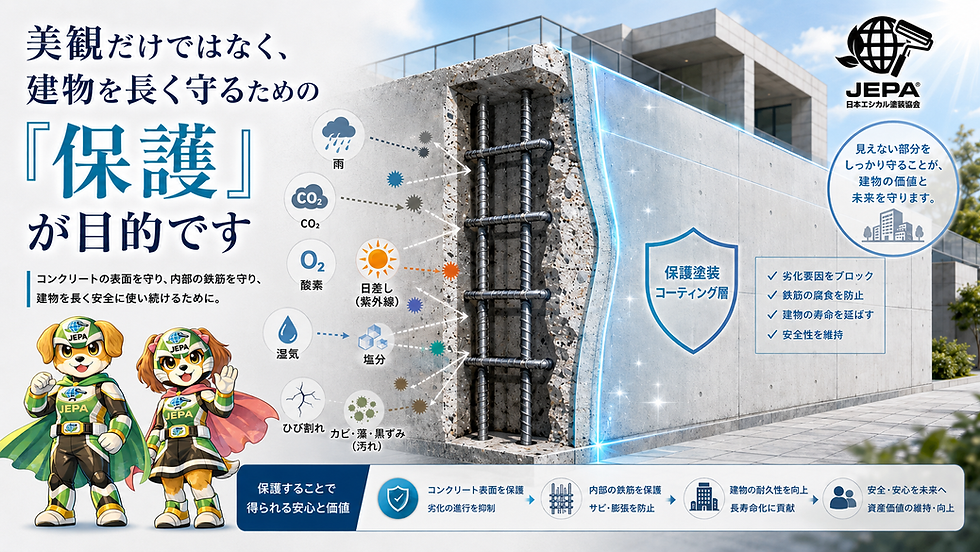
外壁塗装は、ただ見た目をきれいにするためだけのものではありません。
本来は、
建物を守る
劣化を遅らせる
暮らしの安心を支える
将来の修繕回数を減らす
という大切な役割があります。
ここで重要なのは、1回の工事が安くても、早く傷んで何度も塗り替えることになれば、長い目で見ると費用も環境負荷も大きくなりやすいということです。
反対に、1回あたりの価格が少し高く見えても、しっかり長持ちして塗り替え回数を減らせるなら、長期的には合理的で、環境にもやさしい可能性があります。
つまり、これからは
いくらで塗るか
だけではなく、
何年持つのか何回塗り替えるのかその結果、どれだけCO2排出や資材使用を抑えられるのか
まで考える時代だということです。

「安い塗装」が、結果的に高くつくこともある
たとえば、10年ごとに塗り替える塗料と、18年、23年と長く持つ塗料では、同じ50年という時間で見たときの塗り替え回数が変わります。
塗り替え回数が増えれば、
その都度、塗料をつくる
その都度、運ぶ
その都度、施工する
その都度、廃材や余剰塗料が出る
ことになります。
つまり、短い周期で何度も塗り替えるほど、ライフサイクル全体の負荷は大きくなりやすいのです。
ここに、LCA理論で見る意味があります。
私たちが見ようとしているのは「その場の価格差」ではありません
塗料の比較というと、「缶単価はいくらか」「工事総額はいくらか」に目が向きがちです。
しかし本当に見るべきなのは、その塗料が建物の寿命や再塗装周期にどう影響するかです。
外壁塗装は、建物を守るためのものです。
そして建物を長く守れる塗料は、結果として、塗り替え回数を減らし、資材の消費を抑え、CO2排出も抑えやすくなります。
私たちは、この視点を“塗料の価格比較”から“塗料の価値比較”へ変えていく考え方だと捉えています。
今回のシリーズでお伝えしていくこと
このブログシリーズでは、次回以降、
160㎡の住宅1現場で、塗料ごとにどれくらいCO2が違うのか
水性1液無機系、2液水性無機系、2液弱溶剤シリコンでは何が違うのか
本当に大きな差になるのは、塗り替え周期なのか
余剰塗料や廃棄まで考えるとどうなるのか
といったことを、できるだけわかりやすく整理していきます。
数字だけを並べるのではなく、なぜその違いが生まれるのか、塗装店としてどんな提案が誠実なのか、そこまで含めてお伝えしたいと思っています。
まとめ
これからの外壁塗装は、単に「安いか高いか」だけでなく、どれだけ長く建物を守れるか、どれだけライフサイクル全体の負荷を抑えられるかまで考えて選ぶ時代に入っていきます。
LCA理論は、難しい専門用語のように見えるかもしれません。
しかし本質は、とてもシンプルです。
その塗装は、本当に長い目で見て合理的か。建物にも、暮らしにも、環境にも、やさしい選択になっているか。
それを考えるための視点が、LCA理論です。
次回は、160㎡住宅1現場をモデルに、塗料ごとのCO2排出量を比較していきます。
#LCA理論 #LCA塗装 #外壁塗装 #エシカル塗装 #日本エシカル塗装協会 #環境にやさしい塗装 #長持ちする塗料 #塗り替えサイクル #塗装の環境負荷 #CO2削減 #ライフサイクルアセスメント #サステナブル塗装 #住宅メンテナンス #塗料選び #価格比較から価値比較へ #失敗しない外壁塗装 #無機塗料 #水性塗料 #廃塗料削減 #余剰塗料削減 #CSR #ESG #持続可能な住まい #建物を長く守る #根拠で選ぶ外壁塗装

LCA-Based Exterior Painting
Why Exterior Painting Should Not Be Compared by Price Alone
When people think about exterior painting, the first question is often, “How much will it cost?”
Of course, price is important. However, we believe that in the future, exterior painting should not be judged only by cost.
Exterior painting is not just a one-time construction project. The type of coating used can affect how long the building stays protected, how often repainting will be needed in the future, and how much environmental impact is created over time.
This is where the idea of LCA, or Life Cycle Assessment, becomes important.
LCA is a way of looking at the environmental impact of a product or service throughout its entire life cycle — from raw material extraction to production, transportation, use, repainting, and final disposal.
For paint, this includes:
raw material sourcing, transportation, paint manufacturing, delivery to the job site, application, future repainting, and disposal of leftover paint or waste materials.
When we look at painting from this perspective, we can see that exterior painting does not end on the day the work is completed.
Why LCA Matters in Exterior Painting
Exterior painting is not only about improving appearance.
Its true role is to protect buildings, slow deterioration, support comfortable living, and reduce future repair cycles.
Even if one painting job is inexpensive, if the coating deteriorates quickly and requires repainting many times, both the long-term cost and environmental burden may increase.
On the other hand, even if a coating seems more expensive at first, it may be more reasonable in the long term if it lasts longer and reduces the number of repainting cycles.
In other words, the future of exterior painting should consider not only:
“How much does it cost?”
but also:
“How many years will it last?”“How many times will repainting be needed?”“How much CO₂ emission and material use can be reduced over time?”
Cheap Painting Can Become Expensive in the Long Run
For example, if one coating needs repainting every 10 years and another lasts 18 or 23 years, the number of repainting cycles over a 50-year period will be very different.
Each repainting cycle requires paint production, transportation, application, labor, waste handling, and disposal of leftover materials.
The more often repainting is needed, the greater the total environmental impact tends to become.
This is why LCA thinking is important.
From Price Comparison to Value Comparison
When comparing paints, people often focus on the price per can or the total construction cost.
However, what we should really look at is how the coating affects the building’s protection and future repainting cycle.
A coating that protects a building for a longer period can help reduce repainting frequency, material consumption, waste, and CO₂ emissions.
We see this as a shift from simply comparing paint by price to comparing paint by long-term value.
What This Blog Series Will Cover
In this blog series, we will explain topics such as:
how much CO₂ emissions may differ in one 160㎡ residential painting project, how water-based one-component inorganic coatings, water-based two-component inorganic coatings, and two-component weak-solvent silicone coatings differ, whether repainting cycles create the biggest environmental difference, and how leftover paint and disposal should be considered.
Our goal is not just to show numbers.
We want to explain why these differences occur and what kind of proposal can be considered honest and responsible from the perspective of a painting company.
Summary
The future of exterior painting is not only about whether it is cheap or expensive.
It is about how long the coating can protect the building and how much environmental impact can be reduced throughout its life cycle.
LCA may sound like a technical term, but the core idea is simple.
Is this painting choice truly reasonable in the long term?Is it kind to the building, the people living there, and the environment?
LCA provides an important perspective for answering those questions.
In the next article, we will compare CO₂ emissions for different types of coatings using a 160㎡ residential project as a model.
#LCAPainting #LifeCycleAssessment #ExteriorPainting #EthicalPainting #SustainablePainting #EcoFriendlyPainting #LongLastingCoatings #CO2Reduction #ReduceEnvironmentalImpact #PaintingForTheFuture #EvidenceBasedPainting #RepaintingCycle #PaintWasteReduction #LeftoverPaintReduction #SustainableHomes #ProtectBuildings #ValueOverPrice #InorganicCoatings #WaterBasedCoatings #CSR #ESG #JapanEthicalPaintingAssociation


コメント